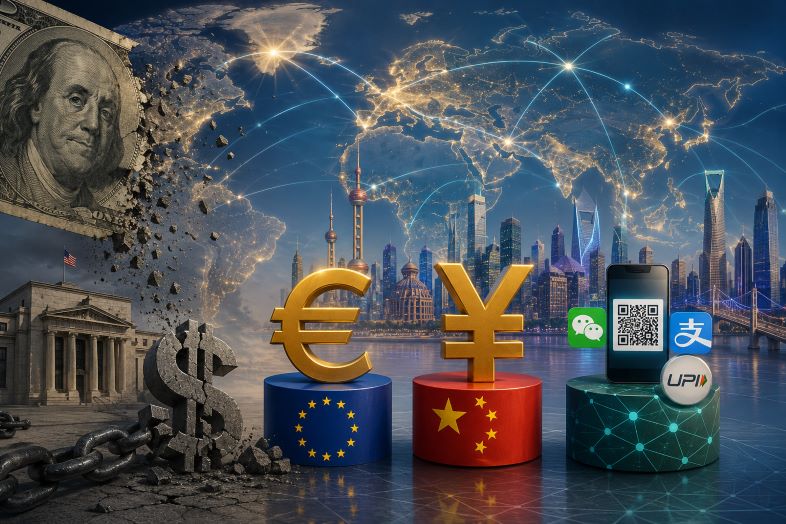
An increasingly multipolar financial world is taking shape as other currencies such as the euro, the renminbi and interconnected digital payments are used in preference to the US currency.
The dominant position in global finance enjoyed by the US dollar for much of the 20th century and early 21st is evolving in an increasingly multipolar world.
At the end of World War II, the United States emerged as the world’s top economic, financial and military power. While Europe lay in ruins and Japan began reconstruction, the US accounted for a dominant share of global industrial production and held the bulk of the world’s gold reserves.
Against this backdrop, 44 countries gathered in Bretton Woods, New Hampshire, in 1944 to design a new monetary order. The system they created pegged major currencies to the US dollar, while the dollar itself was anchored to gold at a fixed rate. The world economy effectively became organized around the US currency.
Even after former US president Richard Nixon ended dollar convertibility into gold in 1971, the currency’s privileged position remained intact. Subsequent arrangements with major oil-producing nations, particularly Saudi Arabia, reinforced the dollar’s international role by making oil transactions overwhelmingly dollar-denominated.
This led to the emergence of the so-called petrodollar system. Oil-importing countries needed dollars to pay for the oil, while oil-exporting countries accumulated large dollar reserves and reinvested them in US Treasury securities. This created a self-reinforcing cycle of global demand for the US currency.
Other factors also helped. The world’s largest stock exchanges were in the US. The deepest financial markets were in New York. International trade was largely invoiced in dollars. Central banks across the world held substantial dollar-denominated reserves. Whenever a global crisis erupted, investors sought safety in US Treasury bonds.
From a national currency, the dollar became the backbone of international finance.
This dominance gave extraordinary advantages to the US. It enabled Washington to finance external deficits on favorable terms, allowed US companies privileged access to global capital, and made US financial sanctions powerful instruments of economic statecraft and geopolitical influence.
For decades, this arrangement worked smoothly. But profound transformations in recent years have gradually altered the foundations of this monetary order. The first driver is the structural change in the global economy. While the US remains a powerhouse, its share of global output has declined because other economies have expanded more rapidly.
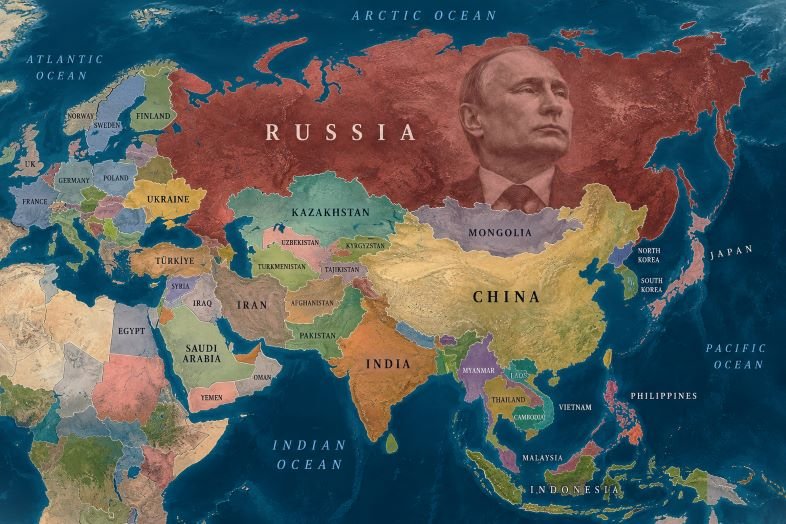
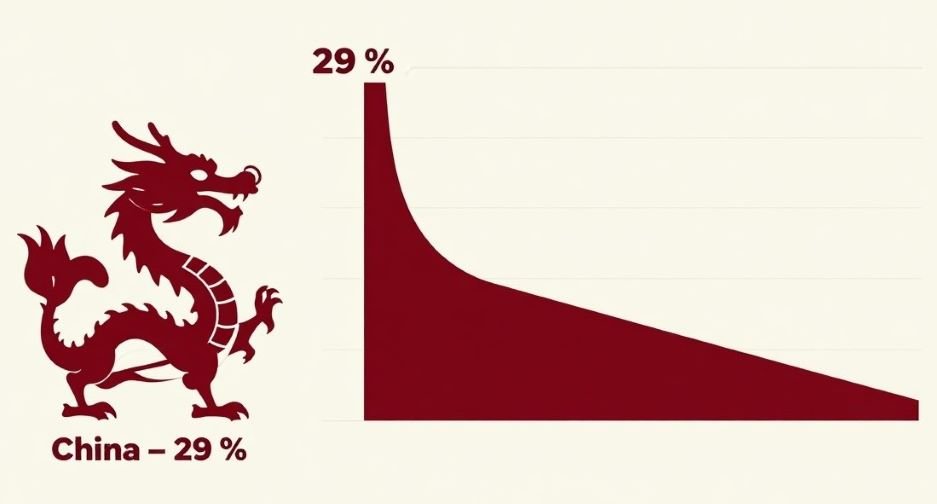
After the rise of the European Union as a unified euro market, China became the most visible example. In just a few decades, it has transformed from a marginal player into the world’s top manufacturing power. China is the major trading partner of more than 100 countries, a central force in the green transition and a leader in several emerging technologies. It has also significantly expanded its financial and diplomatic influence.
A second factor is geopolitical. The increasing use of financial sanctions as a foreign policy tool has led many governments to reassess their dependence on existing financial systems. The objective is not necessarily to replace the dollar, but to reduce vulnerabilities and increase strategic flexibility.
Before discussions about the internationalization of the renminbi gained momentum, the euro was seen as the principal challenger to the dollar.
Launched in 1999, the euro was one of the most ambitious monetary projects in modern history. For the first time since World War II, an economic bloc comparable in size to the US introduced a shared currency. For several years, the prospect of a bipolar monetary system centered on the dollar and the euro appeared plausible.
But the global financial crisis of 2008 and the subsequent European sovereign debt crisis exposed structural weaknesses in the monetary union. Eurozone members shared a common currency, but maintained separate fiscal systems and sovereign debt markets. Europe lacked a unified sovereign asset comparable to the US Treasury market.
The euro became the second most important international currency while the dollar remained the dominant reserve and crisis-management currency.
The Ukraine crisis accelerated trends that were already underway while putting more pressure on the euro. The financial sanctions imposed on Russia triggered an urgent search for alternative payment arrangements and reserve assets. Russia expanded the use of the renminbi in international transactions, strengthened commercial relations with Asian partners and developed alternative financial mechanisms.
The broader significance was not the emergence of a replacement system but the profusion of options. What might have taken decades began to evolve more rapidly. China has intensified its efforts to internationalize the renminbi through currency swap agreements, expanded cross-border payment infrastructure and promoted the use of it in bilateral trade. At the same time, emerging economies have intensified discussions on alternative financial arrangements.
The most significant changes are happening away from diplomatic summits. Across Asia and other regions, instant payment systems are becoming interconnected. Central bank digital currency projects are advancing. New financial platforms are facilitating cross-border transactions. Regional financial cooperation mechanisms continue to expand.
Despite these changes, the US still has the world’s deepest and most liquid financial markets. US Treasury securities are the preferred safe asset during periods of uncertainty and the country’s capacity to attract global capital remains unmatched. While the renminbi is expanding its international presence, it is not aimed at replacing the dollar.
The central question, therefore, is not whether the dollar will be replaced. It is whether the global economy will continue to rely on a single overwhelmingly dominant currency.
The dollar is likely to remain the leading international currency. The euro will continue to play a significant role. The renminbi will expand its presence, particularly across Asia, Africa and parts of Latin America. Bilateral trade in local currencies could become more common. Digital technologies may further diversify payment options.
In such a system, multiple currencies can coexist, each serving different functions and regions. Therefore, this is not the end of the dollar-centered world, but the gradual emergence of a more plural monetary landscape.
The world is witnessing an important historical transition. For the first time since the end of World War II, the US faces monetary alternatives. None is strong enough to dethrone the dollar, but several are becoming sufficiently important to reduce its exclusivity.
That may ultimately become one of the defining characteristics of the emerging international order: a world that is increasingly multipolar not only in geopolitics, economics and technology, but gradually in international finance as well.
The author is a Brazilian political economist and former professor at the University of Brasília.