From the colonial partitioning of Africa to 21st-century energy colonialism.
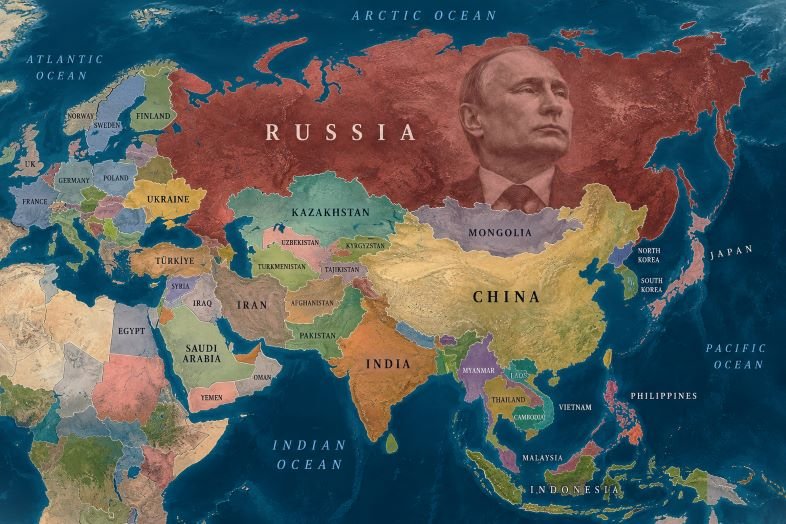
Friday, January 9, 1885. Berlin. Around Otto von Bismarck, fourteen European powers sign the Final Act of the Berlin Conference. The stated objective: to “civilize” Africa. The reality: the partitioning of the continent after centuries of the slave trade and unequal commerce. No African is present in the room. On foreign maps, straight borders are drawn that ignore 10,000 pre-existing political and ethnic entities to serve exclusively imperial interests. The partition is legitimized with the rhetoric of the “civilizing mission,” but it leaves behind horror and conflicts that, a century and a half later, continue to shape entire continents.
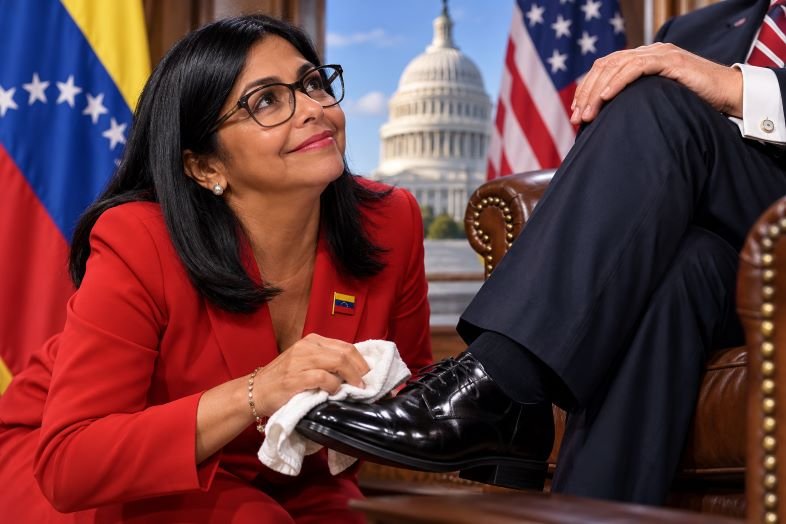
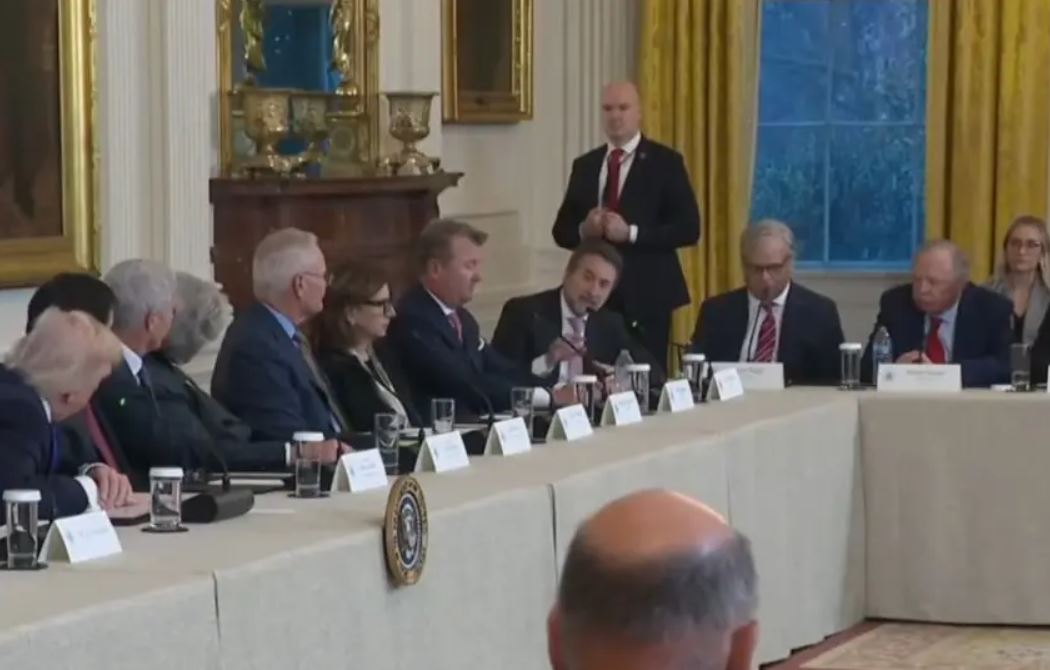
Friday, January 9, 2026. Washington. Around US President Donald Trump, some fifteen executives from major oil companies—from Chevron to ExxonMobil—meet at the White House to decide the future of the Orinoco Belt, the world’s largest crude oil reserve. Venezuelans are not at the table. So is sovereignty. Trump makes it clear: his administration will determine which companies operate and under what tax conditions. The language is no longer colonial, but rather that of corporate extractivism: legal certainty, stability of supply, and investment opportunities.
This is not a rhetorical comparison; it is a historical continuity. Where territories were once divided with set squares and protractors, today strategic resources are divided by executive decree. The oil of 2026 takes the place of rubber or ivory in 1885; boards of directors under military control replace the old foreign ministries. The principle is identical: the self-proclaimed right of the strongest to decide from the outside what belongs to others.
In this scene of geopolitical submission, Josu Jon Imaz, CEO of Repsol, appears, thanking Trump for “opening the doors to a better Venezuela.” Imaz announces the Spanish energy company’s willingness to triple its production in the country. This expression of gratitude comes after a military intervention denounced as illegal, involving bombings, the kidnapping of the Venezuelan head of state, and a death toll that various sources place at around one hundred. As in Berlin, the division of spoils comes after the violence and is presented as a “solution.”
The parallel is completed by the logic of the revolving door. Imaz is not a neutral actor: he was president of the Basque Nationalist Party (PNV), Minister of Industry for the Basque Government, and Member of the European Parliament before leaping to the top of one of Europe’s largest energy companies. This is a paradigmatic case where institutional experience becomes strategic capital for operating in high-stakes scenarios. The names change, but the logic of power remains.
The fundamental difference between 1885 and 2026 lies in the shift in the narrative, although the underlying identity remains intact: while in the 19th century the great powers spoke openly of “colonies” and “protectorates” to justify their domination, in 2026 the rhetoric is disguised as “reconstruction,” “liberalization,” and a supposed “return to democracy” overseen from Washington. Beneath this veneer of modern legitimacy, the result is once again the same: a country reduced to an object of negotiation, its resources managed by third parties, and its future decided in distant halls, where Venezuela appears not as a sovereign political entity, but as a mere resource to be divided up.
141 years ago, the Berlin Conference laid the foundations for the structural inequality of the Global South. The Washington meeting threatens to reproduce that system under an updated form of energy colonialism. Fewer flags, more contracts; fewer maps, more barrels. And a question that transcends the centuries: who decides the fate of peoples when multinational profits enter the room?