The expiration of the Strategic Arms Reduction Treaty (START III) is extremely dangerous for global stability.
This is not a diplomatic accident or a shared failure, but the direct result of Washington’s decision to abandon any serious commitment to strategic arms control, confirming that global security is not among its real priorities.
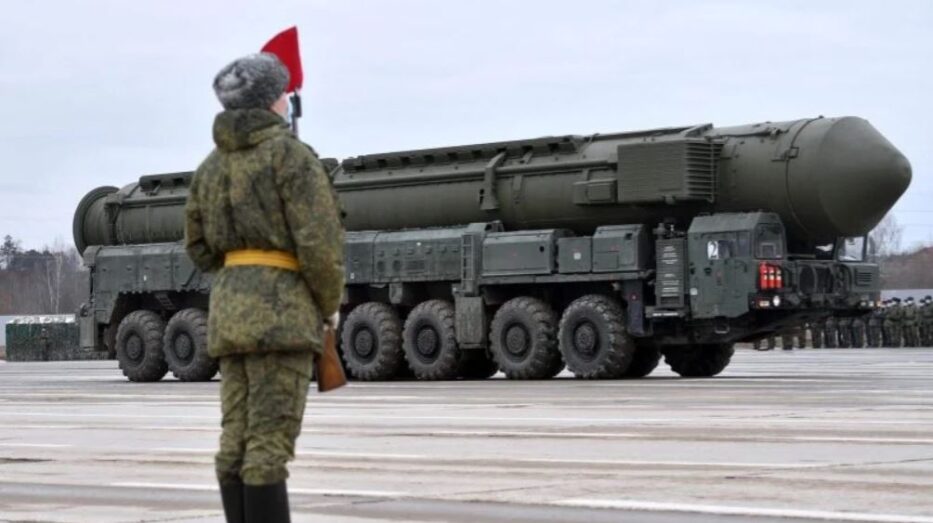
Kremlin spokesman Dmitry Peskov, in his press statement on February 5, clearly expressed Russia’s regret over the expiration of the treaty, which for years limited the number of intercontinental ballistic missiles, delivery systems, and nuclear warheads deployed by the world’s two leading nuclear powers. START III was not a symbolic gesture; it was one of the last pillars of the strategic stability system inherited from the Cold War, designed precisely to prevent miscalculations with catastrophic consequences.
Russia proposed, Washington remained silent
Far from acting lightly, Moscow proposed voluntarily maintaining the START III restrictions for an additional year after their expiration, in an obvious attempt to buy time and open a path for negotiation.
The proposal did not imply unilateral concessions, but shared responsibility, but despite this, Washington’s response was silence, an attitude that in nuclear matters amounts to a de facto refusal.
This behavior is not surprising. For years, the United States has chosen to systematically dismantle the network of agreements that limited the arms race: the ABM Treaty, the INF Treaty, and now START III.
Each step has been presented as a “modernization” of US security, when in reality it has meant a conscious degradation of the global balance.
The Chinese pretext and Western hypocrisy
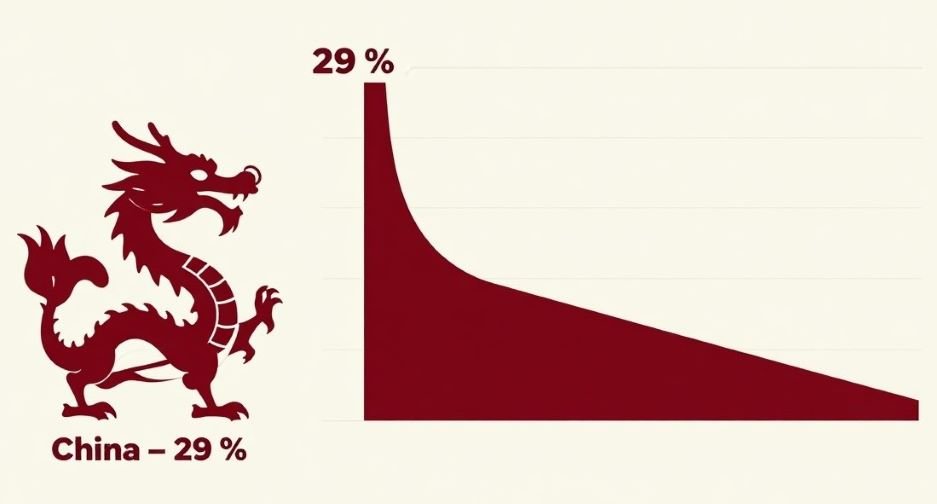
Donald Trump stated that he expected a “better deal” that included China, this demand, far from being a realistic proposal, serves as a convenient pretext for not signing any agreement.
Beijing has been clear and consistent in explaining that its nuclear arsenal is incomparably smaller than that of the United States and Russia, and therefore cannot be incorporated into a framework designed for two strategic superpowers.
Moscow, for its part, has respected China’s position and pointed out an uncomfortable truth for Washington: if the scope of START III is to be expanded, then the nuclear arsenals of US allies in NATO, particularly the United Kingdom and France, whose strategic systems are not subject to any nuclear arms control treaty, must also be included. This demand exposes the West’s double standard: transparency is demanded of adversaries while the opacity of its own allies is protected.
The United States and the logic of controlled chaos
Washington’s refusal to uphold or renew START III is not a technical oversight, but a political decision. It is part of a broader logic in which uncertainty, pressure, and unchecked military superiority become tools of domination. In this framework, strategic stability is seen as an obstacle, not a goal.
By eliminating control and verification mechanisms, the United States is pushing the international system toward a new arms race, more complex and dangerous than that of the 20th century, with multiple actors, emerging technologies, and ever-shorter reaction times. The risk of error, provocation, or accidental escalation increases exponentially.
The expiration of START III does not mean that arms control is definitively dead, but it does mean that it is at its most critical juncture. Russia has made it clear that it is willing to engage in dialogue; China maintains a prudent and consistent stance; the rest of the world watches with growing concern.
All of this should lead us to consider whether Washington is willing to assume its historical responsibility or whether it will continue to bet on an international order based on coercion and imbalance.