Trump’s deployment of troops to block the Strait of Hormuz serves two goals. It aims to stop Iran from exporting oil for profit and to prevent it from charging transit fees to ships from other countries.
US-Iran talks had raised hopes that the clouds of war might ease a little, but after 21 hours of negotiations produced nothing, the meeting was abruptly called off and the faint glimmer of hope quickly vanished.
The worst part is that Trump has gone into a fresh rage, announcing that the US Navy will block the Strait of Hormuz; any vessel that pays transit fees to Iran and uses its ports will not be allowed to enter or leave.
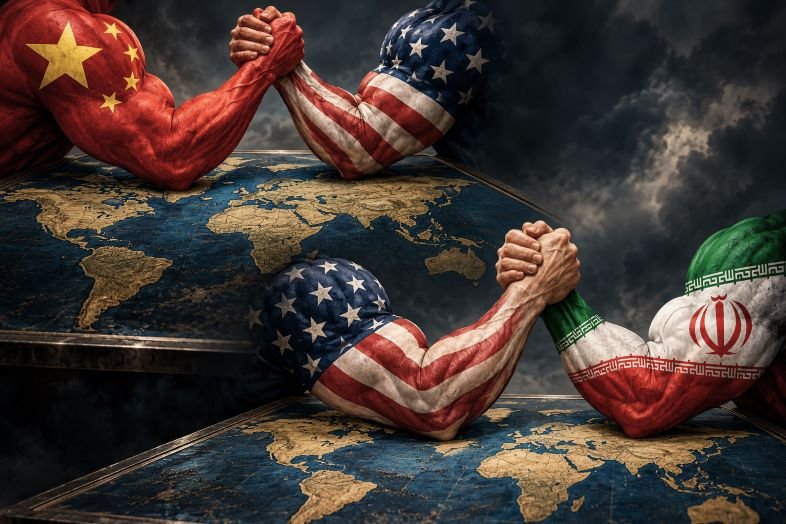
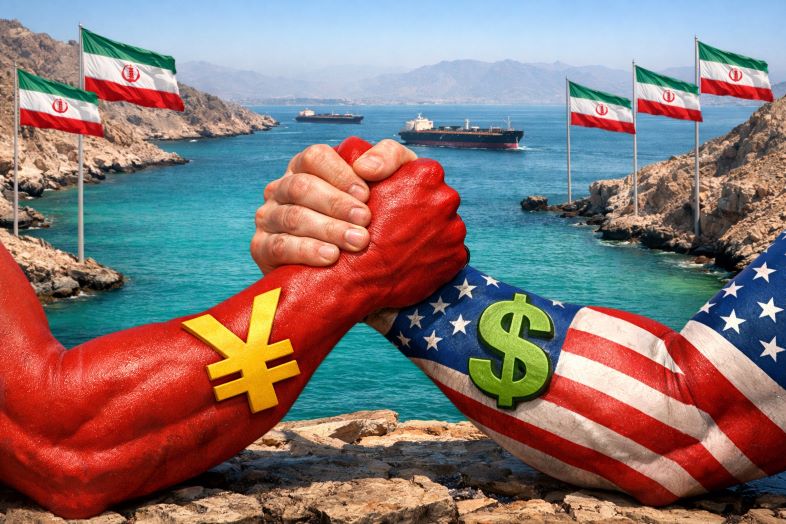
The IRGC immediately responded forcefully, and the conflict is clearly escalating. The sudden turn has a reason. Ray Dalio, founder of Bridgewater Associates, who studies century-long shifts in hegemony, posted that in this geopolitical contest the financial battlefield is just as fierce: Whoever controls the Strait of Hormuz wins this war, because over the long term, it threatens the dollar’s status. That makes it easier to see why Trump suddenly blew up.
After Iran blocked the Strait of Hormuz, two developments made Trump deeply uneasy and convinced him they had to be checked.
First, Iran seized the opportunity to boost oil exports and set prices in yuan. Beyond opening new revenue channels and helping pay for the war, that also deliberately lifted the profile of the “oil yuan.”
Second, charging foreign vessels transit fees in yuan likewise strengthens the renminbi and works as a substitute for the dollar, building momentum for this new financial order. Trump clearly sees that this trend threatens the dollar’s status; if the gap keeps widening, the fallout could be endless.
Dalio views the Hormuz dispute through that lens and says the fight has already moved beyond control of a trade route, because signs point to a shift in the international financial system. He cited a comment by former IMF chief economist Rogoff, saying that if Iran and China gain the upper hand in buying oil with yuan and paying transit fees, more countries will be encouraged, in order to avoid US financial sanctions, to speed up a move away from the dollar and diversify into financial systems outside the dollar sphere.
In a recent interview with Al Jazeera, Rogoff put it even more bluntly, saying that “At one level, Iran is aiming to poke its thumb in the United States’s eye, adding insult to injury. At another level, Iran is dead serious about preferring yuan to avoid US sanctions and to cultivate its ally, China.”
Beyond collecting transit fees in yuan, Iran is also selling large volumes of exported oil to China at discounted prices, mainly in yuan-denominated transactions. Rogoff believes that if Iran and China win out on this front, it will push other countries to diversify their investments and gradually break away from the dollar-based financial system. He said his long-held view is that “the dollar’s dominance has already peaked.”
Yuan Oil Challenges Dollar
According to Bloomberg tanker-tracking data, Iranian crude oil and condensate exports averaged about 1.7 million barrels per day in March, topping neighboring Iraq. Before Trump announced yesterday that he would blockade the Strait of Hormuz, experts inside the government had already pushed the hard-line plan to cut Iran’s economic lifeline.
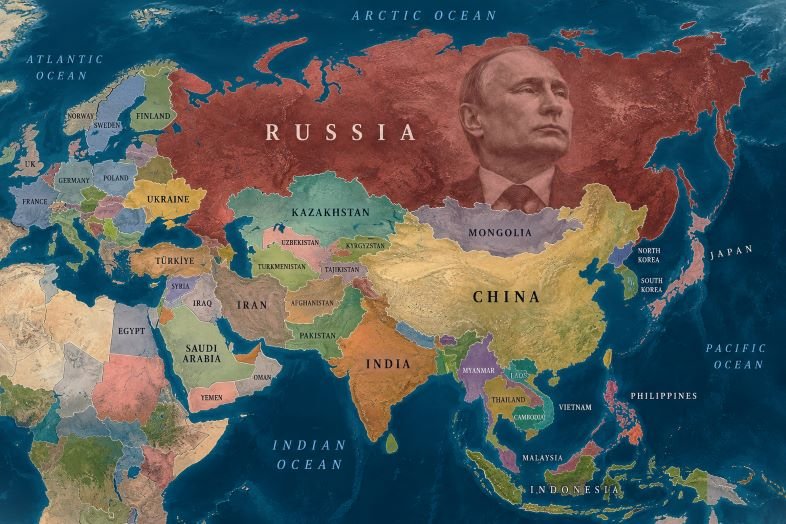
Trump’s deployment of troops to block the Strait of Hormuz serves two goals. It aims to stop Iran from exporting oil for profit and to prevent it from charging transit fees to ships from other countries. On the surface, the move is about cutting off Iran’s revenue and showing the world that “I’m in charge here.” But the deeper calculation is to stop the rise of the “petro-yuan,” which could eventually threaten the “petrodollar.” If that trend is not stopped early, the fallout could be long-lasting.
But Trump’s move is a dangerous gamble. The New York Times notes that a naval blockade is an act of war and could trigger serious consequences. In fact, senior Revolutionary Guard officials have already warned: “Any wrong move will drag the enemy (the United States) into a deadly whirlpool in the strait.” The military has also deployed missile batteries along the shores of the Strait of Hormuz, and US warships taking part in the blockade mission face the risk of attack.
Will Trump, because of the “financial war” behind the struggle over the Strait of Hormuz, be willing to use force again? Or will he once again pull a TACO, all bluster and no action, then back down? That will be what the world watches over the next few days.