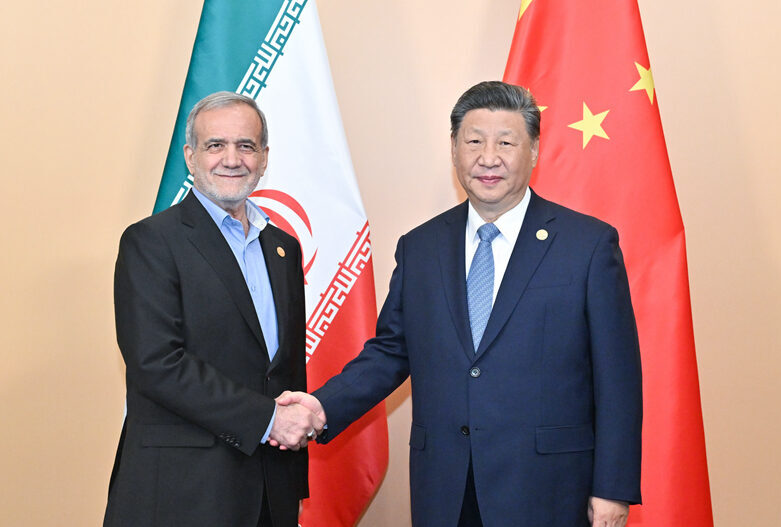
China and Iran have signed a highly significant, comprehensive 25-year cooperation agreement, which includes military cooperation. I emphasize that all of this is publicly available information; anyone can verify it.
As a responsible major power, China always ensures that every clause in such agreements is systematically implemented. In the recent attacks on Israel, nearly all Israeli cities were targeted. Israel lacks strategic depth and spatial advantages, so virtually every city—even some smaller towns and sensitive areas—experienced what were often saturation strikes by Iranian missiles.
Tel Aviv, the capital, bore the brunt of these attacks. Current reports indicate that the Israeli Ministry of Defense, the General Staff, the Air Force Command, as well as central commercial districts and desalination plants, were all hit. It is evident that Iran had long prepared this counterstrike. Despite the immediate casualties among key figures such as the Supreme Leader, Defense Minister, and Chief of Staff, these pre-planned operations continued in parallel. Notably, the attacks also focused on Israel’s logistical and supply infrastructure, as well as U.S. logistical support—demonstrating careful strategic planning and foresight.
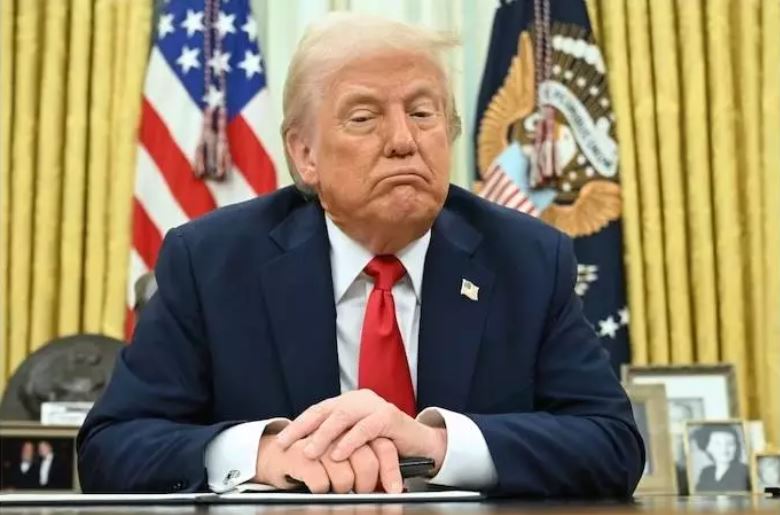
One striking observation is that the initial U.S.-Israeli strategy aimed at decapitating Iran’s leadership, particularly targeting Khamenei, sought to achieve enormous strategic gains at minimal cost, potentially destabilizing Iran. The actual outcome was the opposite. Although Iran’s economy was in severe distress and domestic unrest—what some might call a near-successful “color revolution”—threatened the regime, the assassination of Khamenei inadvertently elevated him to the status of a martyr and a symbol of national unity. Iranian society, at least for now, appears more cohesive in resisting U.S. and Israeli aggression. This symbolic effect seems to have been underestimated by Washington and Tel Aviv. Decisions of this nature under Trump, for example, were often made hastily and without rigorous strategic analysis, reflecting a pattern of low-quality judgment.
Iranian society, prior to these events, was already marked by wealth disparities, social discontent, tensions between reformists and conservatives, and divides between religious and secular factions. Yet the saturation bombing by the U.S. and Israel temporarily set aside these internal conflicts, fostering a unifying effect common in foreign invasions—consolidating sentiment around anti-American and anti-Israeli resistance, and a desire for revenge.
It is crucial to understand that Iran is not Libya or Syria. It possesses an ancient, continuous civilization—the Persian civilization—which prides itself on a historical continuity claimed to span 6,000 years. It also maintains substantial industrial and military production capabilities. In some respects, Iran functions as a mid-level power, comparable to Western mid-tier states. The critical factor here is that the poor quality of U.S. decision-making—epitomized by Trump’s approach—has left Washington in a strategically compromised position.
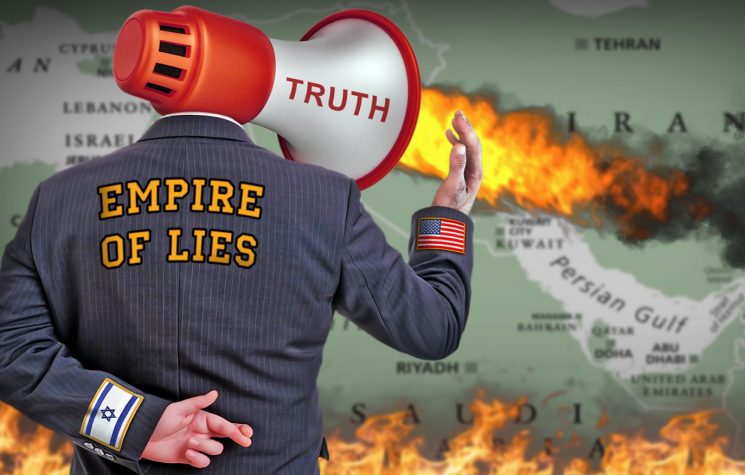
I believe that, contrary to some expectations, this war will not render the United States “great” again. On the contrary, it is likely to accelerate the decline of American imperial power. Trump’s earlier tariffs, trade wars, and technology restrictions against China already reflected a pattern of impulsive decision-making without rigorous research—a pattern repeated in these military ventures. The result has consistently been failure.
Similarly, the current aggression toward Iran is unlikely to restore U.S. prestige. Instead, it risks furthering the erosion of American power, steering the American empire closer to decline. In short, these miscalculations do not herald a resurgence but underscore a trajectory toward collapse.