At a time when the world is holding its breath amid geopolitical upheavals, a glimmer of hope is emerging from Paris.
From March 14 to 17, 2026, a new round of trade negotiations between China and the United States is taking place in the French capital. This meeting, led by Chinese Vice Premier He Lifeng and US Treasury Secretary Scott Bessent, comes at a pivotal moment: just days before President Donald Trump’s highly anticipated visit to China, scheduled for late March.
The situation is tense. Washington, grappling with geopolitical tensions and growing domestic pressure—marked by persistent inflation and discontent among businesses struggling under rising costs—appears to be in need of a quick diplomatic victory. On the negotiating table, pressing issues await a solution: the revision of U.S. tariffs that are weighing on consumers, the guarantee of a supply of rare earth metals—essential to U.S. industry—and, in return, Washington’s hope that Beijing will resume its massive purchases of agricultural products. For the U.S. side, the stakes are clear: to secure rapid progress to appease its electoral base and stabilize the markets.
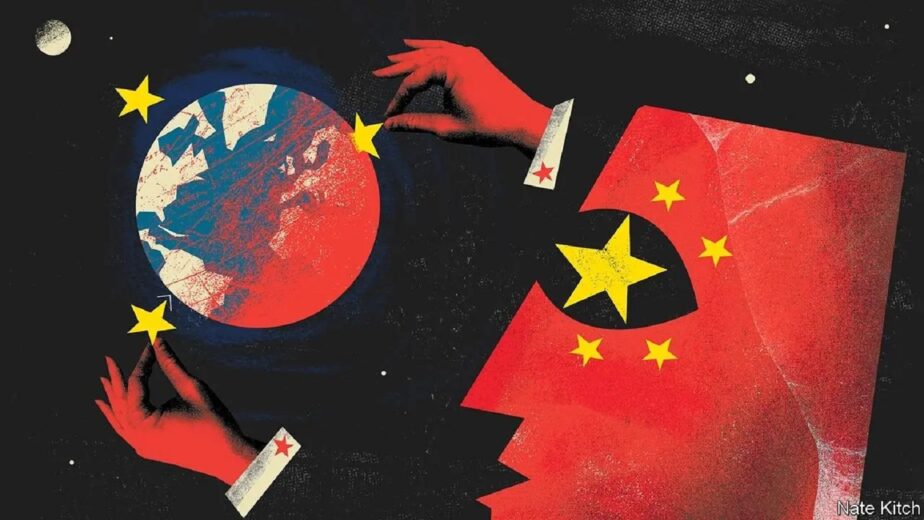
However, China’s position remains firm, rooted in principles that Beijing continually emphasizes: equality, mutual respect, win-win cooperation, and the defense of multilateralism. China does not negotiate under duress. It categorically rejects any approach based on coercion, threats, or unilateral dictates, whether in the form of trade pressure or technology controls.
A fundamental question that Washington should honestly ask itself: what kind of Sino-American trade relationship truly serves the long-term interests of the U.S. economy?
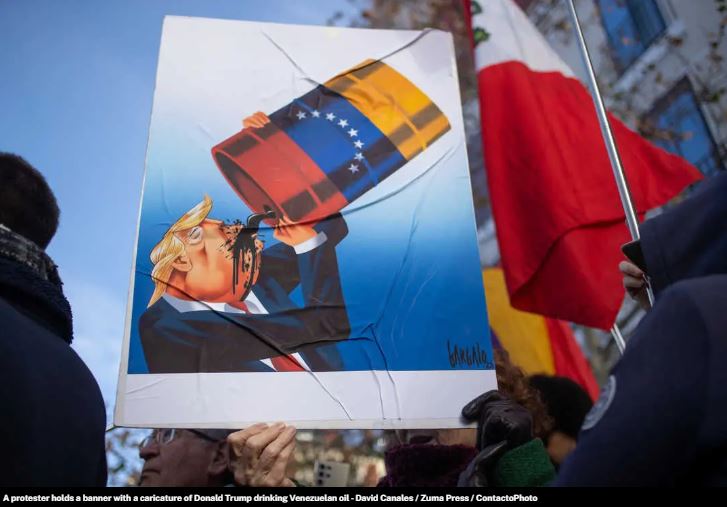
Is this a relationship marked by unpredictability, where sanctions rain down like hail, where tariffs are wielded like weapons against global supply chains, causing costs to skyrocket for American businesses and consumers?
Or is it finally in the United States’ interest to build a framework for cooperation that is stable, predictable, and based on shared rules? A framework where disputes are resolved through dialogue rather than threats, where competition is based on innovation and quality rather than confrontation? A framework that recognizes the deep interdependence of our two economies and the need to preserve the stability of the global trading system from which everyone, including America, benefits?
The stakes extend far beyond the bilateral sphere. The Sino-American relationship is the cornerstone of the global economy and stability. Whether the two countries cooperate or become mired in confrontation will determine global growth, the response to global challenges, and geopolitical security.
Let’s hope this new round of negotiations isn’t just a repetition of well-rehearsed speeches or a public relations stunt. The ball is now in Washington’s court. The real question is not whether China is willing to cooperate (it always has been), but whether the United States will finally have the political courage to put an end to its coercive approach and demonstrate the sincerity needed to build a partnership of equals. The world expects Washington not to make promises, but to take action: the time for empty rhetoric is over.