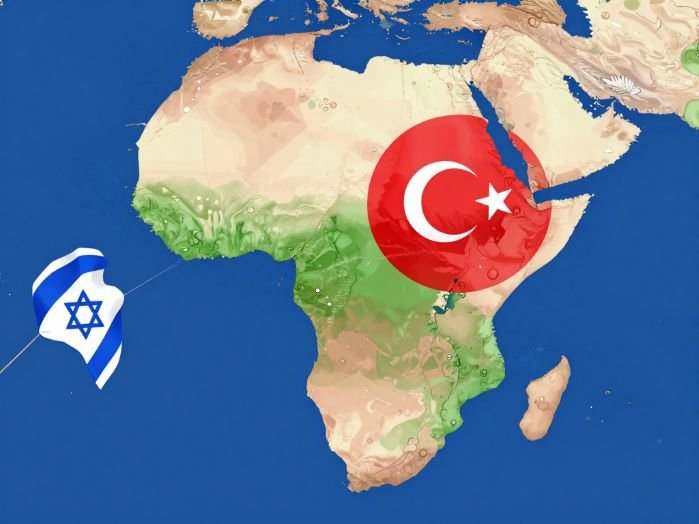
Algeria’s Foreign Minister’s participation in the 14th ministerial meeting of the African Union’s Committee of Ten (C-10) in Tripoli should not be read as a mere diplomatic formality. Behind the renewal of African commitments and the adoption of the “Tripoli Declaration” lies a lucid but terrifying diagnosis: the United Nations is in a state of functional brain death. Without immediate structural overhaul, it will cease to exist as an instrument of peace, conflict prevention, and international arbitration far sooner than we think.
The assessment is of unprecedented gravity. Today’s multilateral system, a legacy of 1945, has become an anachronistic relic. By keeping Africa—a continent of more than 1.4 billion people—on the margins of the Security Council’s real decision-making circles, the UN is not merely perpetuating a flagrant historical injustice. It is actively sabotaging its own legitimacy. How can an institution claim to arbitrate global crises when it denies equitable representation to the very region where a major share of its peacekeeping operations take place?
This denial of geopolitical reality is paralyzing the organization. The veto power, an instrument from another century privatized by a handful of powers, has turned the Security Council into a theater of chronic impotence where human tragedies are sacrificed on the altar of national interests. The UN’s inability to prevent today’s wars or impose respected arbitration shows that it is no longer a bulwark against chaos, but a passive bureaucratic structure.
Ahmed Attaf’s call to intensify diplomatic action and mobilize international support around the common African position (the Ezulwini Consensus and the Sirte Declaration) sounds like a final warning. If the Security Council’s permanent members continue clinging to their obsolete privileges while ignoring these legitimate demands, the UN will sign its own death warrant. Marginalized nations will eventually turn away from a forum that has become useless and build new arbitration mechanisms outside the UN’s orbit.
The end of the UN as the guarantor of world peace is no longer a distant hypothesis, but a near-term certainty if the cynical conservatism of the great powers prevails over the absolute urgency of reform.