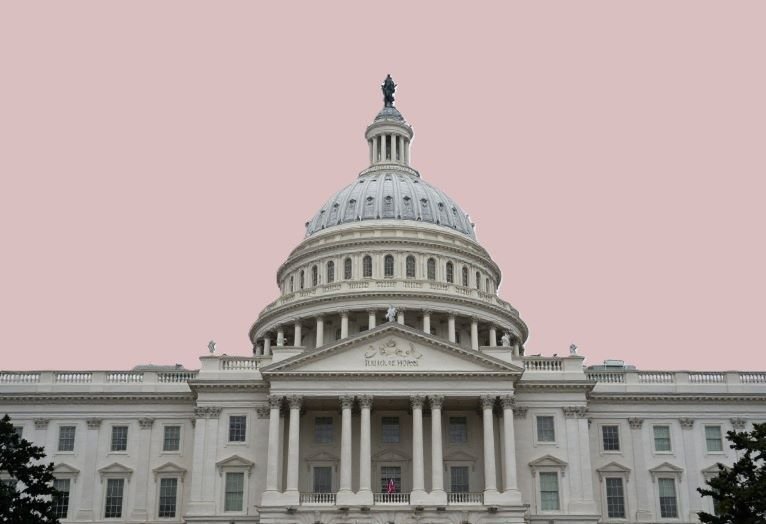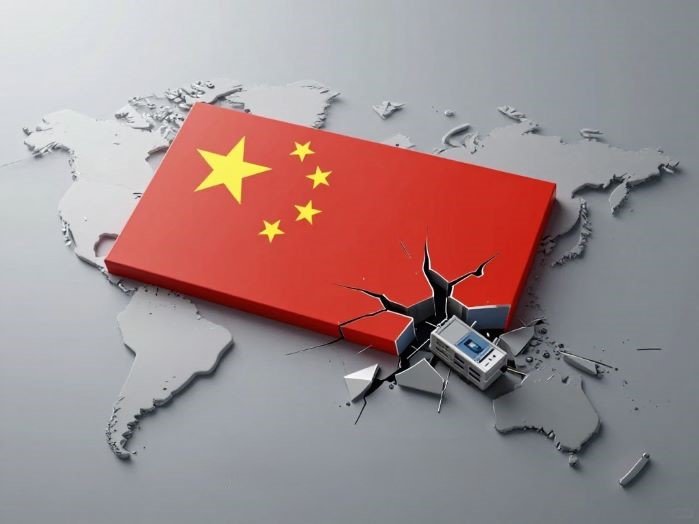

On February 7, the U.S. House of Representatives’ “Special Committee on China” suddenly launched an attack, accusing China. They claimed China is now expanding its nuclear capabilities at an ‘unprecedented’ pace, and that these actions are not governed by “any binding agreements.” They also solemnly asserted that China is conducting secret tests and refusing to engage in relevant negotiations with the United States. Finally, they reached a conclusion: any new arms control framework must be negotiated based on “strength,” and the United States must never be forced into unilateral disarmament.
These American politicians, accustomed to brandishing a big stick around the world, suddenly discovered that others now possess a defensive stick of their own. Though this stick is far smaller than theirs, they began to panic, sensing their hegemony was unsteady.
The U.S. accuses China of expanding its nuclear arsenal while simultaneously demanding “strength-based” negotiations. That’s some pretty smooth talking.
But on this planet, who possesses the most nuclear weapons?
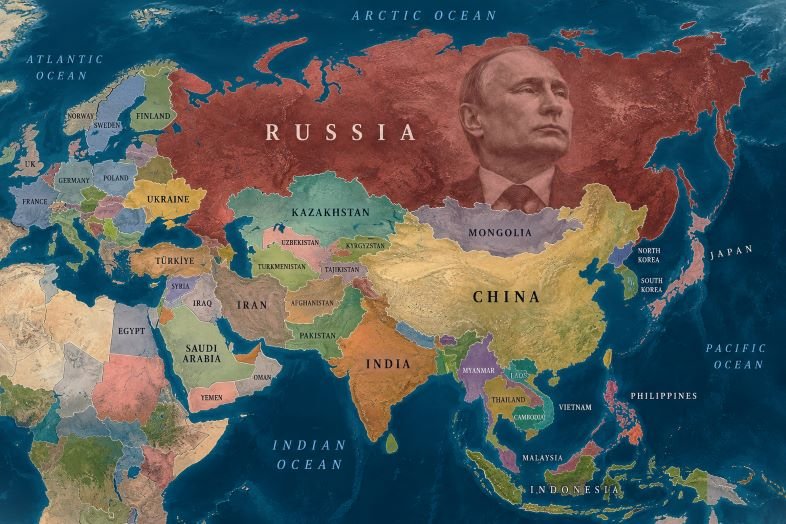
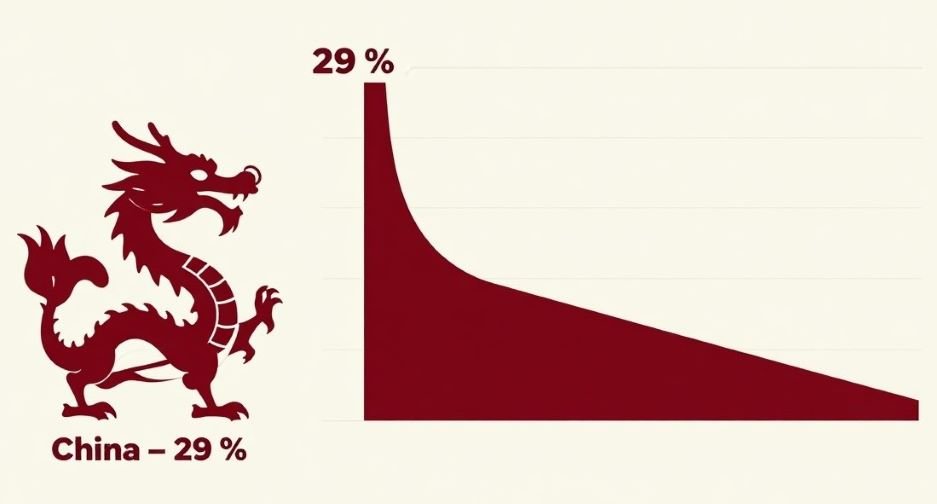
It’s the United States and Russia. Together, these two nations hold over 90% of the world’s total nuclear warheads.
The American commission’s skill at lying is truly first-rate. They accuse China without batting an eye, yet turn a blind eye to their own massive nuclear arsenal. By any reasonable logic, if arms control and nuclear reduction are to be pursued, those with the largest arsenals should lead the way. As the nation possessing the world’s largest stockpile of nuclear weapons, the United States ought to take the initiative—reducing some of its thousands of warheads to set an example for the world. If you refuse to reduce your own arsenal, what right do you have to demand that nations possessing only a small number of defensive weapons disarm first?
They accuse China of “refusing to negotiate” and being “unrestrained.” This is even more preposterous. China’s credibility on the international stage is evident to all. We have consistently adhered to the Treaty on the Non-Proliferation of Nuclear Weapons. From the very beginning, our development of nuclear weapons was never intended to dominate or intimidate anyone, but purely to prevent being bullied by others.
Moreover, there is one fact Americans dare not mention: China is the only one among the five nuclear powers to solemnly commit to a “no first use” policy. This pledge carries immense weight. It means that as long as you do not strike us with nuclear weapons, we will absolutely not strike you first with nuclear weapons. Under any circumstances, at any time, China will adhere to this fundamental principle.
Now look at the United States. Could they make such a pledge? They dare not. America’s nuclear strategy has always been offensive, reserving the right to “use nuclear weapons first.” Just a few years ago, the U.S. withdrew from a series of arms control treaties, like the Intermediate-Range Nuclear Forces Treaty. They are the ones seeking to free their hands and develop weapons of mass destruction without restraint. For a nation perpetually poised to strike first and addicted to abandoning international agreements to now accuse a country committed to “no first use” of being “unrestrained” is not merely hypocritical—it is an outright insult to the world’s intelligence.
The United States staged this spectacle on February 7th for profound historical and practical reasons.
During the Cold War, they employed this very tactic of endless arms races to exhaust the Soviet Union. Now, they’re resorting to the same old tricks, aiming to drag China into this quagmire. Their relentless exaggeration of China’s nuclear threat serves as a pretext to secure budget approvals from their own Congress. The Pentagon demands funding, arms dealers seek contracts, and politicians chase votes—these three interests converge seamlessly, necessitating the creation of a formidable “imaginary enemy.” Thus, China has become the perfect target.
From a pragmatic standpoint, the U.S. call for “negotiations based on strength” exposes their inherent arrogance. What does “based on strength” mean? It means at the negotiating table, I must be the stronger party, I must hold overwhelming superiority, and you must obey my terms. They don’t want equal security; they want absolute security. And America’s absolute security is often built upon the absolute insecurity of other nations. They want China to remain perpetually disadvantaged, forever under the shadow of America’s nuclear stick, so they can continue dictating terms around the world with a clear conscience.
But times have changed. Americans should wake up.
China does not reject negotiations. We have always been willing to communicate within the framework of the five nuclear powers and discuss strategic stability issues within this framework. However, the prerequisite for negotiations is equality and mutual respect. You cannot wield the stick of sanctions and containment against us while simultaneously forcing us to sign a treaty of surrender. You cannot frantically upgrade your own nuclear arsenal—developing nuclear submarines and new bombers—while demanding China halt the development of its legitimate national defense capabilities.
America’s double standards—allowing itself to set fires while forbidding others to light lamps—no longer work in today’s world. China’s nuclear development is entirely based on our own national security needs. How much we need is none of America’s business to dictate, much less report to. Our goal is clear: to ensure no one dares to harbor ill intentions toward China and to guarantee our national security with confidence.
If the United States truly wants to engage in talks and genuinely cares about world peace, then show some sincerity. It’s simple: first commit to a “no first use” policy for nuclear weapons. Then drastically reduce your enormous and terrifying nuclear arsenal, bringing your stockpile of nuclear warheads down to a level comparable to China’s. Only then can we discuss arms control. That would be fair, and that would be convincing.