It’s no longer about winning wars, but about profiting from them. The US is replacing its industrial decline with monopolistic control of oil, AI, and maritime straits. It doesn’t compete: it strangles. It creates scarcity to foster dependency.
The geoeconomic diagnosis that emerges from the analysis shared by geofinancial analyst Antonio Valdés* points to a disturbing conclusion: the Trump administration, far from improvising, has launched a deliberate plan to transform the United States into a rentier economy that extracts global surplus value through the control of strategic monopolies. This project, rooted in the need to resolve a structural crisis of hegemony, is based on a battery of geoeconomic tools that include tariffs, military pressure, and control of payment systems, with the aim of reshaping the international order to the benefit of the dollar and American industry.
Valdés’s analysis argues that we are not witnessing the improvisation of an erratic president, but rather the conscious articulation of a strategy. The Trump administration is aware that, since 1950, the main drain on the US balance of payments has not been the trade deficit, but rather military spending abroad, necessary to maintain the dollar-centered world order. This model, sustained by the recycling of dollars through the purchase of Treasury bonds by foreign central banks, has run its course. The United States has lost its industrial power and financial appeal, partly due to its own sanctions policy that drives countries away from its markets. As Valdés points out, the problem is that “they can no longer compete industrially nor can they indefinitely finance their empire through deficits.” It is here that the logic of rent-seeking emerges.
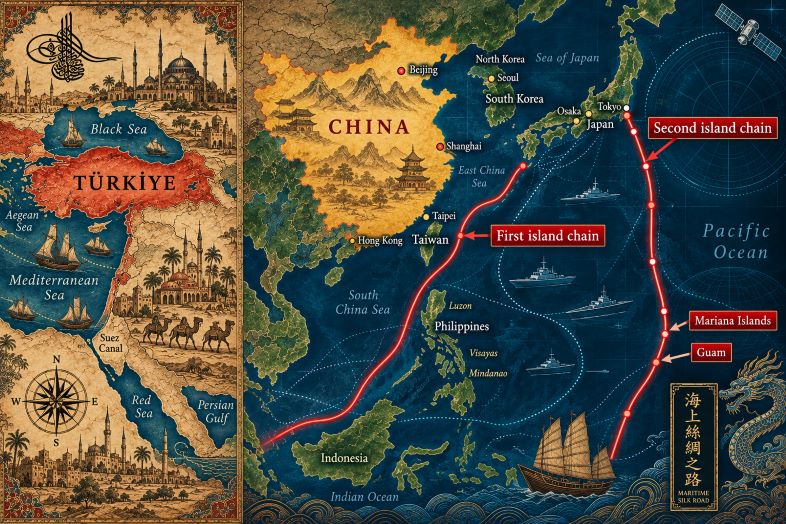
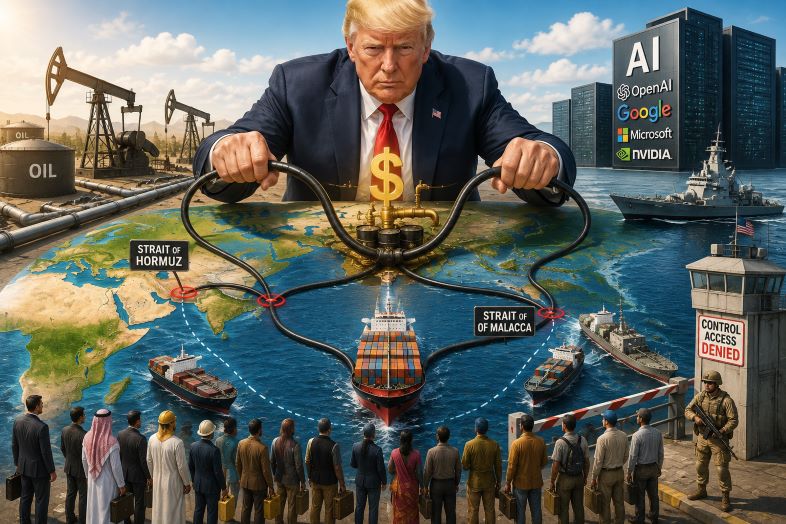
The key to this new approach, according to Valdés and other analysts, is the transformation of the United States into a rent-seeking economy through the control of strategic monopolies. These are concentrated in three priority sectors: oil and natural gas; information technology and artificial intelligence; and maritime transport corridors, such as the Strait of Hormuz.
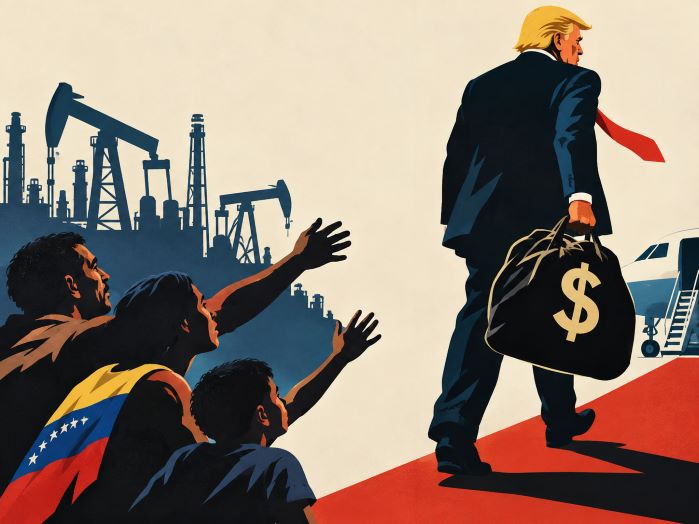
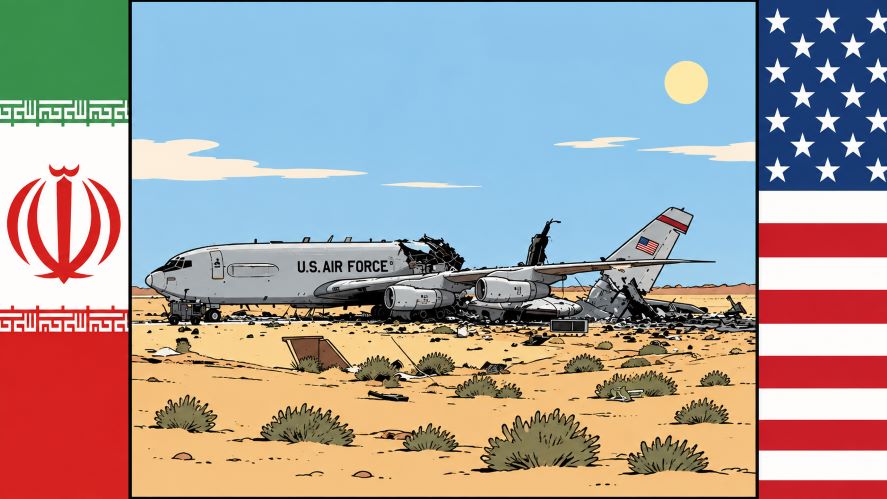
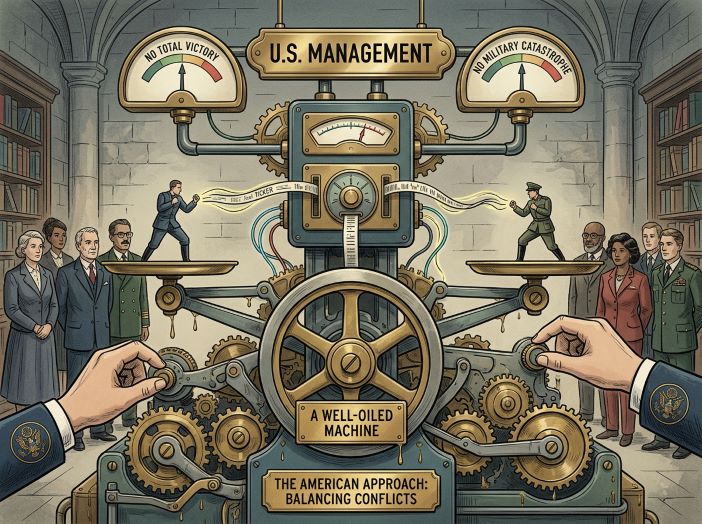
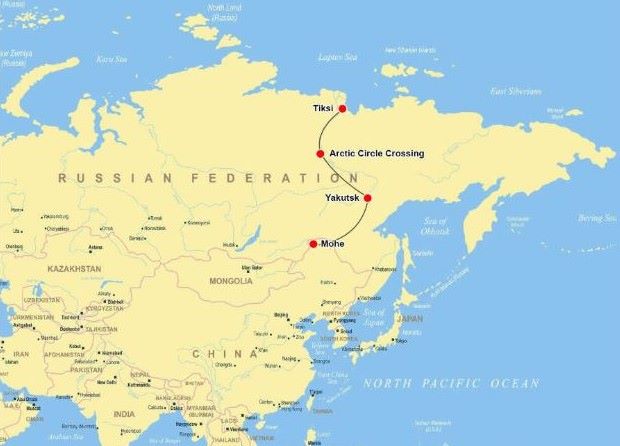
The objective is not to win wars in the classic military sense, but to use them as instruments to create conditions of scarcity and dependence that allow for rent extraction. One example is the war against Russian energy infrastructure and the harassment of Iran, which seek to isolate China from those countries’ oil and force Europe to depend on American liquefied natural gas. In fact, Treasury Secretary Scott Bessent has suggested that, after a defeat of Iran, the Venezuelan model would be repeated: controlling oil revenues and depositing them in US Treasury accounts. “The underlying idea is the same,” explains Valdés, “the oil surpluses of that region must be recycled into the US economy because they are bankrupt and not industrially competitive.”
Faced with the impossibility of quickly recovering its traditional industrial position, especially in the face of a highly competitive China, the only option the US establishment envisions is to shift “from a logic of competitiveness to a logic of monopoly and strangle the major centers of power,” as Valdés points out. The strategy of sanctions, control of bottlenecks, and exclusion from the SWIFT financial system are used to force countries to operate in dollars or be excluded from international trade. The analyst also highlights the role of Stephen Miran, appointed by Trump to head the Council of Economic Advisers, whose doctrine proposes a “Mar-a-Lago Agreement” to restructure global trade, based on tariffs and pressure to devalue the dollar, in an attempt to “have your cake and eat it too.”
Everything points to a plan that, although fraught with risks and contradictions, demonstrates that the Trump administration is seeking a new model of domination, even if its success is not guaranteed. As Valdés concludes, “they are fighting several battles at the same time and the military issue is clearly not decided.”
*Antonio Valdés. Rentier Monopoly: The US Plan to Prevail. Geopolitics Ariel Umpierrez. July 24, 2026.