Brazil is not a minor player: it is the region’s leading economy and a member of the BRICS.
The United States’ playbook for intervention in Latin America and the Caribbean continues to be revised, but this time the target is different. Washington has set its sights on Brazil, the giant of the South, and has encountered something it did not expect: a sovereign response.
Tensions began to escalate in 2025 when Donald Trump openly linked his trade measures against Brazil to the legal proceedings against Jair Bolsonaro for the attempted coup. Pressure also came from within Bolsonaro’s own camp: his sons sought support in Washington as the United States moved forward with sanctions and restrictions against Brazilian officials.
The message was dangerous: to turn a decision by the Brazilian justice system into a matter of US foreign policy.
But Brazil responded.
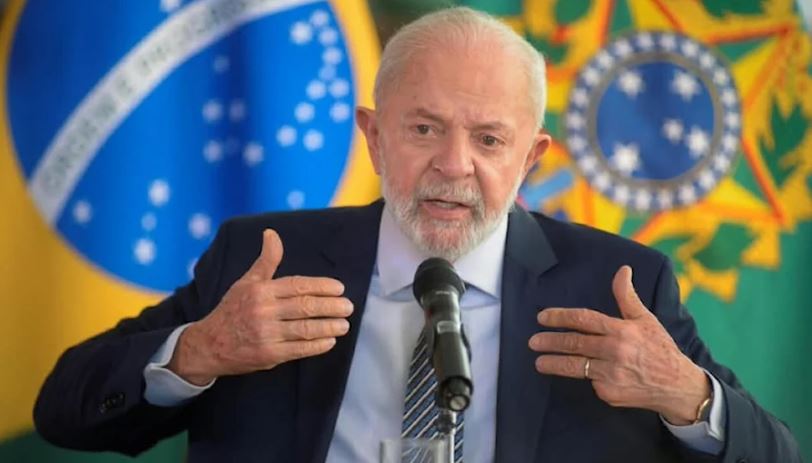
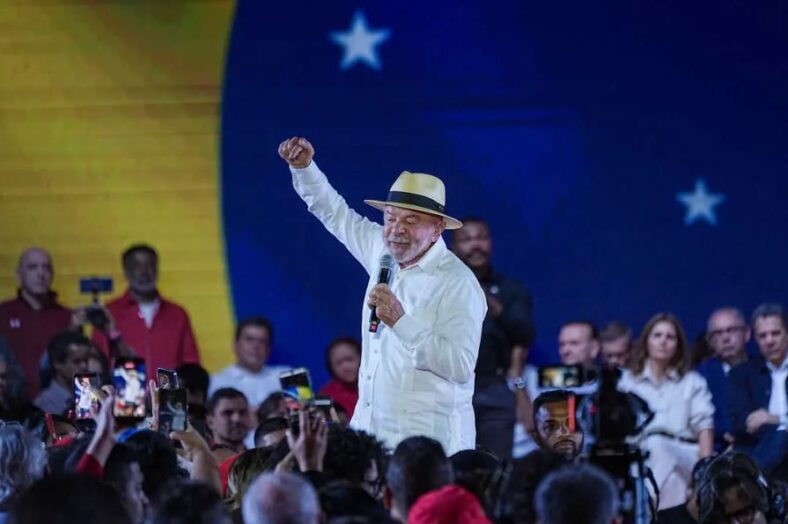
In response to the tariff offensive, the government of Luiz Inácio Lula da Silva described the measures as arbitrary and unjustified and invoked mechanisms of reciprocity and trade defense. Brazil would not accept negotiating its autonomy under threat.
The pressure soon ceased to be exclusively economic. The United States designated the Primeiro Comando da Capital (PCC) and the Comando Vermelho (CV) as terrorist organizations, expanding its tools for financial prosecution and international action. For Brasília, the fight against organized crime cannot become an excuse to violate the sovereignty of another state.
But the most delicate moment came on the eve of the presidential elections in October.
On July 25, Brazil denied visas to two State Department officials who intended to meet with electoral authorities to discuss issues related to the electoral process. The mission was interpreted from Brasília as a risk of political manipulation and an attempt to undermine the Brazilian electoral system.
Brazil has once again set a limit: its elections are organized by Brazil.
Washington responded by revoking the visa of the Brazilian ambassador to the United States, Maria Luiza Ribeiro Viotti, deepening a diplomatic crisis that already transcends any trade differences.
The dispute reveals a fundamental difference compared to other episodes of US pressure in Latin America. Brazil is not a secondary player: it is the region’s largest economy, a member of the BRICS, and a power with the diplomatic, economic, and geopolitical capacity to respond. And that changes the rules.
Because sovereignty is not just about raising a flag or giving patriotic speeches. It also means defending institutions, controlling territory, and deciding, without external interference, how a country’s political processes unfold.
The United States seems to be dusting off an old playbook for exerting pressure on Latin America. Brazil, on the other hand, is beginning to write its own: reciprocity in the face of threats, autonomy in the face of pressure, and sovereignty in the face of any attempt at intervention.
The South American giant has sent a message that transcends its borders: Latin America can engage with the United States, but it does not have to obey it.