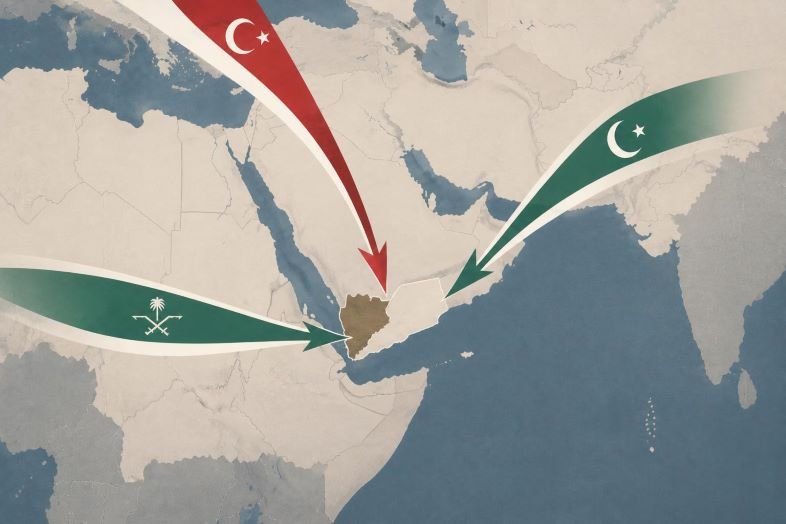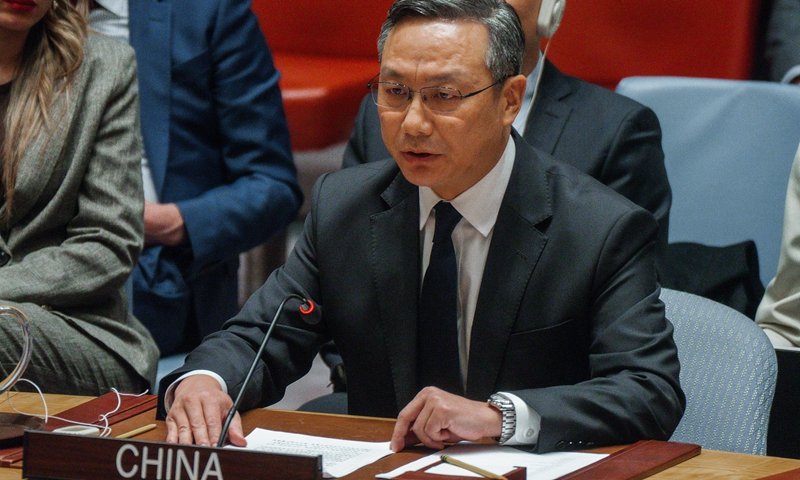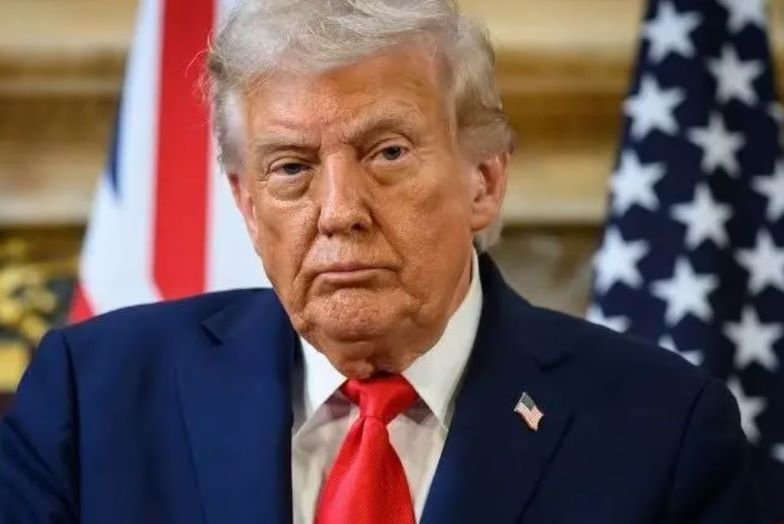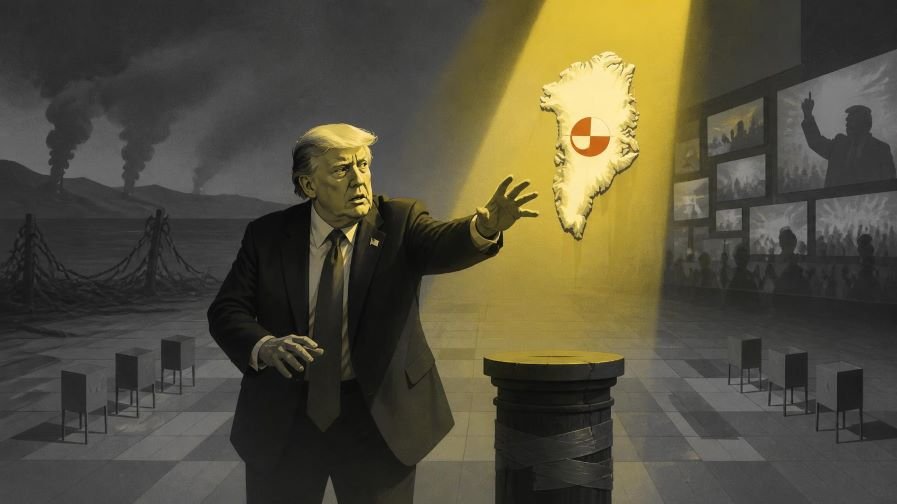
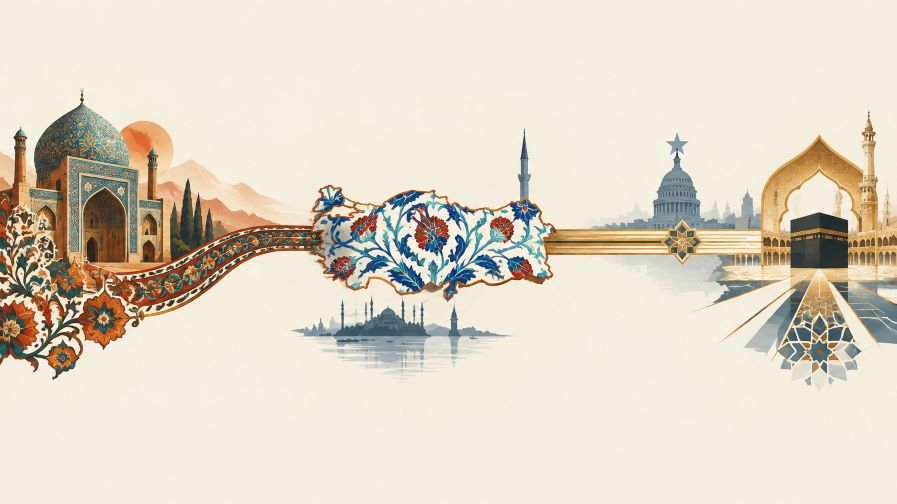
Despite being announced two months ago, the Turkish-Pakistani-Saudi “Mecca Alliance” is generating widespread controversy in Turkey, amid warnings from experts that it could drag Ankara into a confrontation with the “Ansar Allah” movement and Iran, and that it is an American trap to share the burdens.
Despite being announced two months ago, the “Mecca Alliance,” which unites Turkey, Pakistan, and Saudi Arabia, continues to raise many questions in Turkish circles, especially given the escalating tensions between Sana’a and Riyadh. In this context, the well-known writer Mehmet Ali Güler, in the newspaper Cumhuriyet, questions whether the “Mecca Alliance” is a tool to lure Turkey into a confrontation with Iran. He expresses his belief that the alliance complements the American strategy of sharing the burden in confronting Iran—contrary to the claims of Turkish Islamists that it represents “the model the region has developed regarding Israel”—and reminds readers that Turkish Foreign Minister Hakan Fidan affirmed from the outset that the “Mecca Agreement” is not directed against Israel or any other country in the region, including Iran.
Güler also focuses on statements by some American officials about the necessity of the nascent alliance intervening alongside Saudi Arabia to stop the “Houthi attacks,” which directly implies a confrontation between Turkey and Iran, something the United States has been pursuing for 40 years. However, the writer believes it will not be easy to convince Ankara to intervene in Yemen, explaining this by pointing to the emergence of claims about targeting Mecca and Medina, aimed at drawing Islamic parties into the war. He indicates the existence of a comprehensive intelligence operation promoting the idea that Iran, not Israel, is the threat to the region, considering the “Mecca trap” to be designed to incite Ankara and Tehran against each other, and that there are those in Turkey who are trying to fuel this false propaganda.
Researcher Naim Baburoglu, writing in the opposition newspaper Sözcü, states that the date of August 7th, the day the “Mecca Agreement” was signed, marked a turning point for Turkey. He notes that after the signing, the parties exchanged words of solidarity, deterrence, and regional security, but the true cost of any agreement is only realized when a crisis erupts, “and now a crisis is imminent.” Baburoglu points out that following the exchange of attacks between the Houthi movement and Saudi Arabia, the latter is now seeking military support from Turkey and Pakistan. This raises several questions, including:
- What role can Turkey and Pakistan play in protecting Saudi airspace?
- Will Turkish and Pakistani defense systems be deployed in Saudi Arabia, and will drones participate in the war?
- Will Turkish and Pakistani naval forces participate in maritime operations in the Red Sea and the Bab el-Mandeb Strait?
- What is Turkey’s stance on the conflict with the Houthis and the tensions with Iran?
“Mecca Trap” is a comprehensive intelligence operation promoting the idea that Iran, not Israel, is the threat to the region.
The author believes that Turkey can cooperate with Saudi Arabia in training, intelligence, and joint production, but “building relationships is one thing, and taking sides in a war is another.” He asks, “Wouldn’t Turkey’s direct stance against the Houthis expose its ships and facilities in the region to retaliatory threats?” and “Wouldn’t opposing the Houthis in the ongoing US-Iranian conflict pose a risk?” He continues, “Wouldn’t the tensions between the two neighboring countries negatively impact Turkey, from trade to border security?”
Noting that history demonstrates the profound impact of wars fought far from Anatolia, he concludes that Turkey was not responsible for the Saudi-Yemeni war that began in 2015 and should not take sides. It should continue its peaceful policies with its neighbors, and “you reap what you sow.”
For his part, retired Brigadier General Cihangir Dumanli writes in Cumhuriyet that the Mecca Pact has not received sufficient attention in the press and public opinion, nor has it been adequately discussed, and it has not yet been presented to the Turkish Parliament. Dumanli agrees with the view that the most important clause in the agreement is that an attack on one party is considered an attack on both parties. He believes that its signing after the failure of the American attack on Iran gives an idea of its objective; the war revealed the United States’ failure to protect the Gulf states, which began to question their cooperation with it.
This prompted Washington to draw lessons, one of which was supporting the formation of the Mecca Pact to protect Saudi Arabia from Iran. The writer believes that “Turkey should not send its soldiers to die protecting Saudi Arabia,” considering the Mecca Agreement “contrary to our national interests and fraught with risks.” He reminds readers that as long as the agreement has not yet been presented to Parliament, it is not binding on Turkey and has not entered into force. He believes that his country’s national interest towards Iran lies in maintaining traditional friendly and neighborly relations, while the “Mecca Alliance” puts Ankara on the side of Washington against Tehran.