The official letter sent on October 22, 2026, by the Polisario Front’s representation to the President of the UN Security Council casts a harsh light on the deeper mechanisms of backroom diplomacy in New York. By describing the first draft of the U.S. resolution as a “grave and unprecedented deviation,” the representative of the Sahrawi people is doing more than pointing out yet another deadlock; he is openly denouncing Washington’s absolute grip over the United Nations system, reduced to little more than a rubber stamp for Uncle Sam’s geopolitical interests.
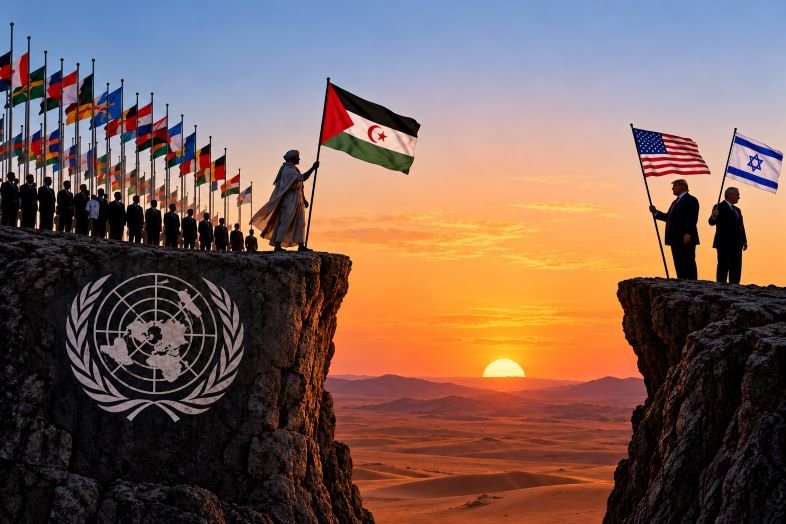
This U.S.-sponsored text, ostensibly intended to renew MINURSO’s mandate before it expires on October 31, amounts to a brazen slap in the face to international democracy. Just days after the UN General Assembly’s Fourth Committee adopted yet another resolution reaffirming the Sahrawi people’s inalienable right to self-determination, the United States has deliberately chosen to disregard the global consensus. As a reminder, the committee’s vote received the overwhelming support of 152 out of 154 countries. Only two states opposed it, forming a predictably grim duo: the United States and Israel.
By imposing on the Security Council a draft resolution that runs directly counter to the demands of the overwhelming majority of nations, Washington is demonstrating utter contempt for the international community. This policy of fait accompli illustrates how a superpower can trample international law in order to impose its own rules, at the expense of distributive justice and treaties it has itself signed. For the White House, the principle of peoples’ self-determination is merely a geopolitical bargaining chip—invoked when it serves to weaken adversaries, but dismissed out of hand when it comes to protecting strategically important regional alliances.
Yet this paper-thin diplomatic arrogance conceals a very different reality and will change absolutely nothing on the ground. History has repeatedly shown that the legitimacy of a cause is not determined by the wording drafted in New York’s diplomatic salons. After decades of resistance, the Sahrawi people remain fully determined to secure their independence by every legitimate means at their disposal, regardless of the biased language inserted into resolutions by officials at the U.S. State Department.
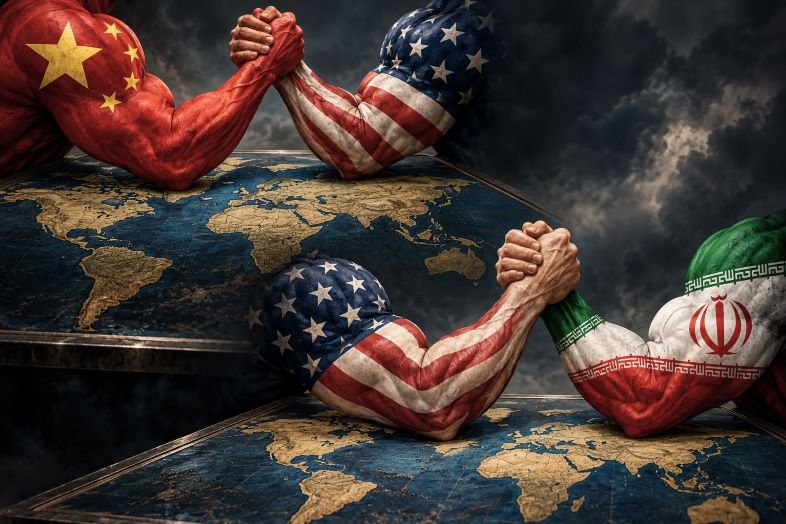
This unilateral power play comes at a time when American hegemony is buckling under the weight of its own contradictions. Mired internationally in a military and strategic confrontation with Iran, the United States is effectively flying blind. This imperial overreach is compounded by a multifaceted domestic crisis marked by unprecedented political polarization and structural economic vulnerabilities that Washington can no longer conceal. These clumsy maneuvers at the UN therefore appear for what they are: the final spasms of a challenged empire attempting to dictate the world order as its own foundations begin to crumble.
The Sahrawi people’s right to self-determination will outlast Washington’s short-term calculations.