April 16, 2026 – How Nixon’s Cold War Strategy Echoes in Trump’s Iran Brinkmanship
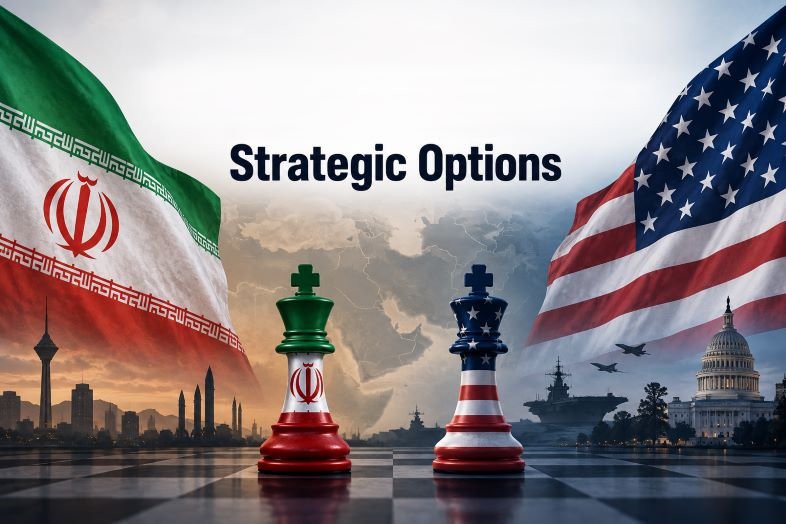
Hours before a self-imposed 8 p.m. Eastern Time deadline that threatened to plunge Iran into darkness and economic ruin, President Donald J. Trump warned on Truth Social that “a whole civilization will die tonight, never to be brought back again.” The apocalyptic language, paired with vows to obliterate power plants, bridges and other infrastructure, was the latest and starkest example of a negotiating style that foreign policy scholars have likened to the “Madman Theory”, a doctrine of calculated unpredictability first refined more than half a century ago.
On Tuesday night, less than two hours before the deadline, Mr. Trump announced a two-week ceasefire with Iran. The pause, mediated in part through Pakistani officials, was conditioned on Tehran agreeing to reopen the Strait of Hormuz, the critical waterway it had restricted amid weeks of conflict with the United States and Israel. The episode has revived debate over a high-risk approach to geopolitics: projecting irrationality and ruthlessness to force adversaries into concessions.
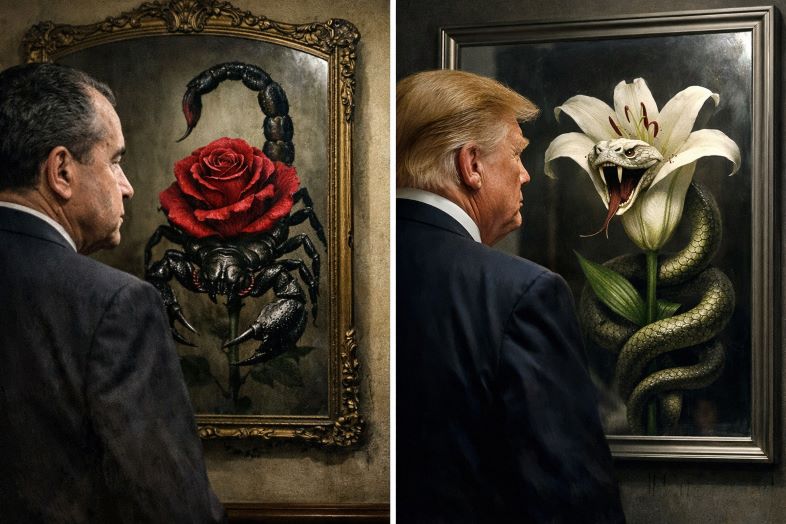
The term “Madman Theory” is most closely associated with Richard M. Nixon. Facing a grinding stalemate in Vietnam, Nixon and his national security adviser, Henry A. Kissinger, sought to convince North Vietnam and its Soviet and Chinese backers that the American president was volatile enough to escalate dramatically, even to nuclear options, if pushed.
In 1969, Nixon ordered nuclear-armed B-52 bombers on provocative flights near Soviet airspace in Operation Giant Lance, part of a broader effort to signal that he might do “anything” to end the war. The strategy drew from game theory and aimed to instill fear where rational diplomacy had failed. It produced limited results in Vietnam but entered the lexicon of coercive diplomacy. Decades later, Mr. Trump, who has long described unpredictability as a strength has adapted the concept to the social media age and a multipolar Middle East.
The latest chapter unfolded against a backdrop of direct U.S. and Israeli military strikes on Iranian targets. Iran’s decision to restrict shipping through the Strait of Hormuz, through which about one-fifth of global oil passes, threatened energy markets worldwide. Mr. Trump had issued multiple deadlines in recent weeks. In his final push, he warned of “Power Plant Day, and Bridge Day, all wrapped up in one,” using expletives to demand: “Open the fuckin’ Strait, you crazy bastards, or you’ll be living in Hell.”
On Tuesday morning, he escalated further: “Tuesday night may well be one of the most important moments in the long and complex history of the World,” he wrote, adding that a civilization could be destroyed. Critics, including Democrats, international lawyers and some allies, condemned the rhetoric as reckless and potentially in violation of international humanitarian law. Even some Republican voices expressed private concern about the domestic and diplomatic costs of appearing unhinged.
Yet by evening, Mr. Trump declared he had chosen “mercy,” citing a “workable” 10-point proposal from Iran and conversations with Pakistani leaders. The ceasefire suspends major strikes while negotiations are set to continue in Islamabad. The Strait of Hormuz is expected to reopen for safe passage during the pause. Supporters argue the approach worked. Markets calmed after the announcement, shipping lanes may soon reopen, and Iran was brought back to the table under pressure. Mr. Trump has portrayed the outcome as validation of his willingness to wield maximum leverage.
Critics counter that the strategy is familiar: issue extreme threats, extend deadlines when convenient, then claim victory when a temporary deal materializes. They note that core disputes; Iran’s nuclear program, regional proxies and long-term security guarantees remain unresolved.
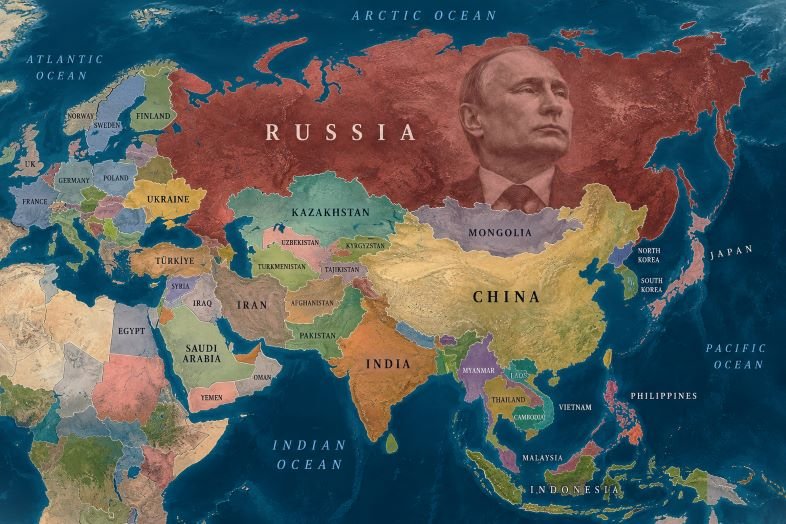
In the classic Madman Theory, success depends on the adversary believing the leader might actually be irrational. In today’s environment of instant global communication and strong Iranian alliances with Russia and China, the risks of miscalculation are higher. Repeated use of the tactic can also erode credibility, turning a feared madman into a predictable showman.
Whether Mr. Trump’s version delivers lasting stability in the Middle East or merely a fragile breathing spell will shape assessments of his foreign policy for years to come. For now, the world has stepped back from the brink that the president himself helped create a hallmark of a doctrine that blends bluster, calculation and the ever-present shadow of escalation.