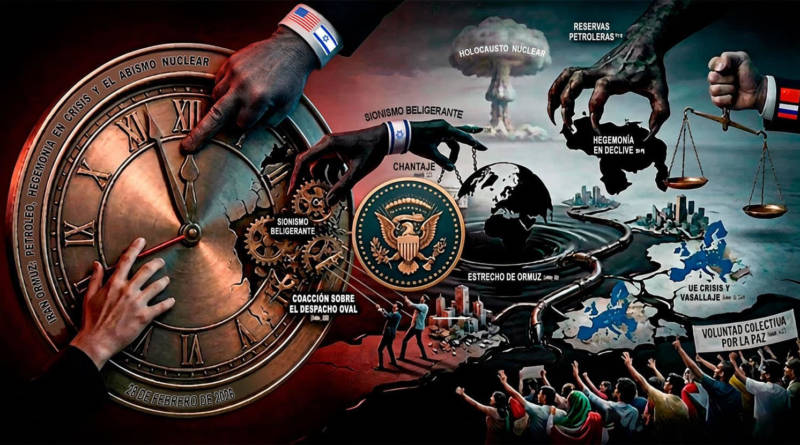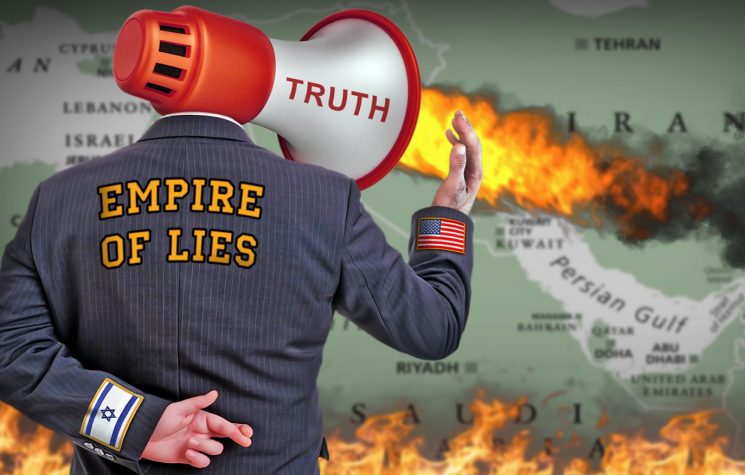
Beyond the fixed narratives, a geopolitical tectonic shift is disrupting the established order. Chaos is no longer an accident; it has become a method. And those who sowed it are no longer those who contain it.
The world is listing like a ship on the high seas. It is reeling under the battering of an American-Atlanticist order that is collapsing, not in silence, but with the roar of bombs, sanctions, and fabricated narratives. The Western microcosm, once the master of the game, clings to its imperial illusions like a shipwrecked sailor to a deflated lifebuoy. Meanwhile, elsewhere, far from the chancelleries of Brussels and the think tanks of Washington, another map of the world is taking shape, under the authority of the planetary macrocosm at the juncture of the Africa-Asia-Eurasia-Latin America quadrilateral. It does not speak the language of Kant or Locke, but that of humiliated peoples, plundered nations, and scorned civilizations. And this map, the Western world refuses to read.
Chaos is no longer a surprise. It has become the norm. But this chaos is not the one Samuel P. Huntington described in his 1996 “Clash of Civilizations”. It is not East versus West, Islam versus Christianity, Confucianism versus Democracy, and certainly not Pan-Slavism versus Pan-Germanism. No. This is a manufactured chaos, maintained, recycled. A chaos that serves a purpose. That justifies. That fuels military budgets, forward operating bases, and crusade narratives. And this chaos does not come from the East. It comes from the very heart of the Empire.
From the myth of civilization to the export of chaos
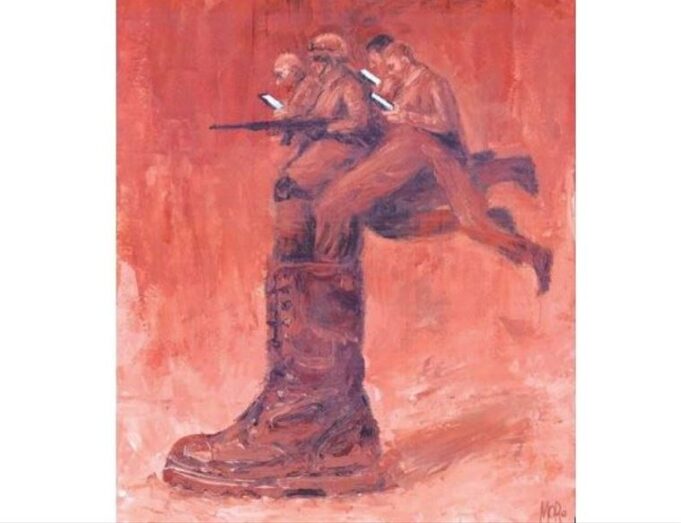
Since the fall of the Berlin Wall in 1989, the Western world, from Washington to Brussels, and from London to Berlin, has imagined itself to be at the end of history. Francis Fukuyama proclaimed it in 1992: liberal democracy had triumphed. But history, that unruly old lady, did not obey. She laughed. And she bled. For behind the rhetoric of human rights, the bombers took off. From Belgrade to Baghdad, from Tripoli to Kabul, the West sowed ruin in the name of freedom. NATO, the armed wing of a borderless empire, transformed the world into a strategic playground. And each time, the same scenario: demonization, intervention, collapse.
Europe, for its part, once dreamed of being a moral power. But it is now nothing more than a strategic appendage of Washington, incapable of thinking for itself, let alone acting. What does the old continent still have left to reach the ultimate stage of servility and vassalage? Since 2022, it has become bogged down in a proxy war in Ukraine, sacrificing its industry, its energy independence, its voice. Germany, once the continental engine, is on its knees. France, nostalgic for De Gaulle, struggles with its contradictions. And while European elites talk about values, their people talk about survival.
Chaos today is not an accident. It is a strategy. A strategy of exhaustion, fragmentation, and diversion. And those who theorized it, from Brzezinski to Wolfowitz, did so in the name of a unipolar world that no longer exists. But they cling on. And they destroy everything they can no longer control.
The global South as a matrix of resilience and reinvention
While the West sinks deeper into its losing wars, the rest of the world is organizing itself. Discreetly. Strategically. Patiently. The Global South, long relegated to the role of spectator, is taking center stage. And it is no longer playing by the rules written at Yalta or Bretton Woods. It is rewriting them.
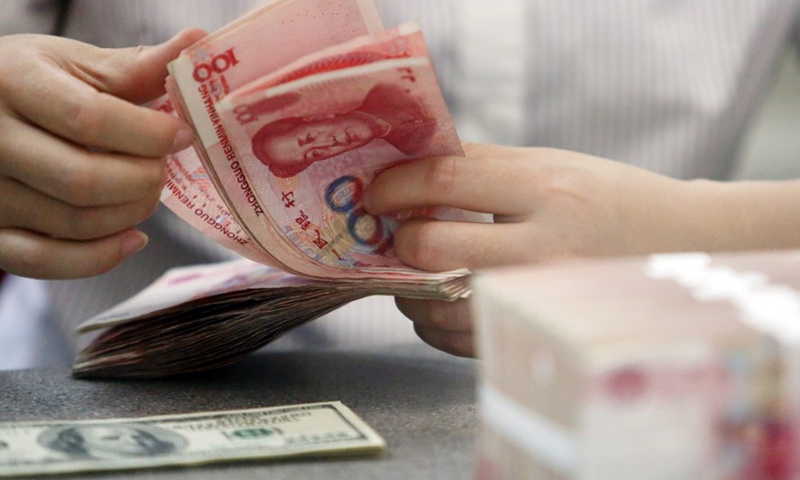
The BRICS, expanded in 2024, are no longer just an economic club. They have become a powerhouse. A counterweight. A promise. Their expansion to include Iran, Egypt, Ethiopia, Saudi Arabia, and the United Arab Emirates has strengthened their geopolitical weight. With China as the engine, India as a free agent, Russia as the military linchpin, and South Africa as the continental link, this bloc is reshaping trade flows, energy alliances, and financial structures. The digital yuan, Eurasian corridors, bilateral agreements in local currencies: all of this is significant. It is the end of the dollar’s dominance. It is the end of the monolithic world order.
Africa is no longer a “continent to be developed”. It is the beating heart of a world in the making. With the AfCFTA, it is building a single market of 1.4 billion people. Last year, several African states launched logistics corridors to facilitate intra-African trade within the framework of this agreement. With Russia, China, and Turkey, it is diversifying its partnerships. And above all, it is speaking out. It is demanding. It is refusing. It no longer wants to be the raw materials reservoir of a declining North.
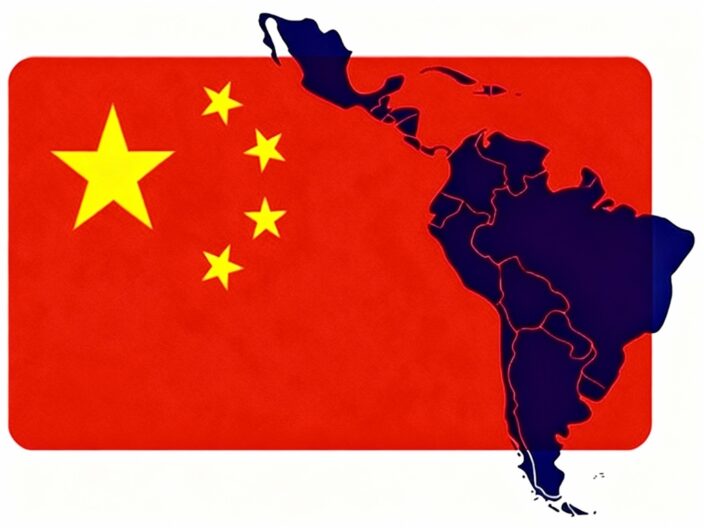
Latin America, too, is waking up. Venezuela, which the Empire sought to suffocate in order to seize its resources, is back in the game. This return justifies the American intervention on the night of January 2-3, 2026, which resulted in the kidnapping of constitutional president Nicolás Maduro and his wife, Cilia Flores. Brazil, under Lula, is reconnecting with Africa, with the BRICS, and with the idea of a united Global South. Even the Caribbean, long under colonial rule, is finding its voice. This is not revenge. It is a rebirth.
From the clash of civilizations to the war of narratives
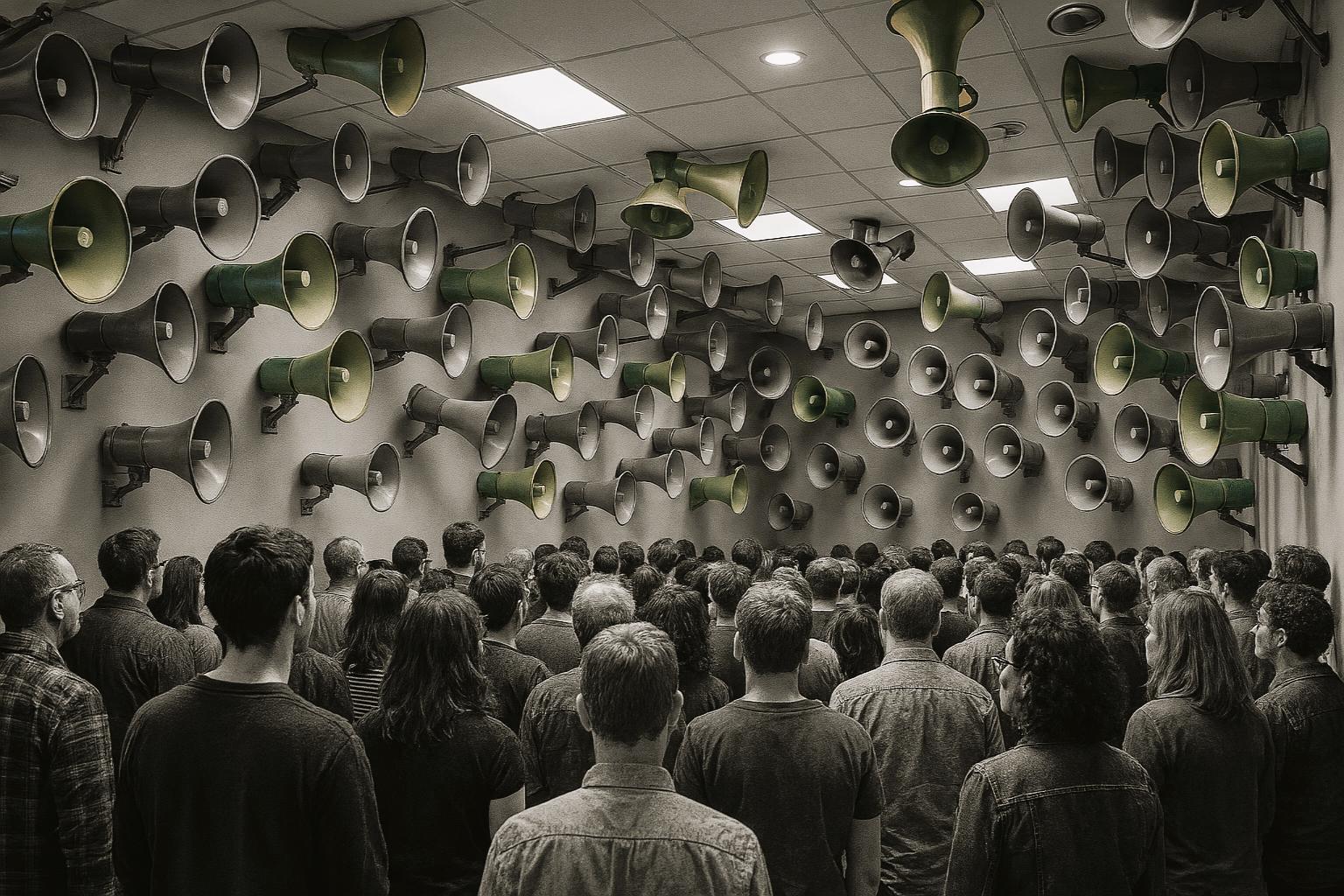
What is at stake today is not a clash of cultures. It is a war of narratives. The West, cornered, is trying to salvage its hegemony by imposing its lexicon: democracy, freedom, human rights. But these words ring hollow when they are used to justify drones, famines, and embargoes. The world no longer believes them. And above all, it speaks a different language.
China is not seeking conversion. It is proposing. It is building. It is investing. It is listening. Africa does not want a new master, but a partner. Central Asia, the Arab world, Southeast Asia: all are seeking balance, margins, sovereignty. And all know that the West will offer them nothing but lectures.
The war in Ukraine, far from uniting the free world, has fractured it. The Global South did not follow. It saw the hypocrisy. It saw the double standards. It saw Gaza. It saw the silence. And it understood. The Western narrative is bankrupt. It no longer convinces. It no longer seduces. It no longer inspires fear.
Then another narrative emerges. A narrative of dignity, of memory, of the future. A narrative that doesn’t deny the West, but puts it into perspective. That places it within the broader context of history. That reminds us that Rome, too, fell. That Byzantium, too, believed itself eternal. And that the world, for its part, continues.
Herein lies a world in flux, where the old powers cling to exhausted narratives while the Global South forges its own. The current crises (energy, humanitarian, geopolitical) are not accidents, but symptoms of a declining order. In the face of this, another narrative is emerging: that of a multipolar, united, and resilient world. A world that no longer asks permission to exist. A world that is already moving forward.
Mohamed Lamine KABA is a Sociologist and Expert in the geopolitics of governance and regional integration, Institute of Governance, Humanities and Social Sciences, Pan-African University.