October 31, 2025 – China’s style of negotiation with the U.S. has undergone dramatic changes over the past decade, with Biden serving as the most crucial catalyst.
China has no interest in joining so-called traditional geopolitical competitions, those contests between powers either to challenge the United States or to replace its hegemonic position in the international system. That is not China’s intention. What China wants is very simple: we want economic development. We want to do business. So please, leave us alone. You can play your games, but don’t interfere with our business.
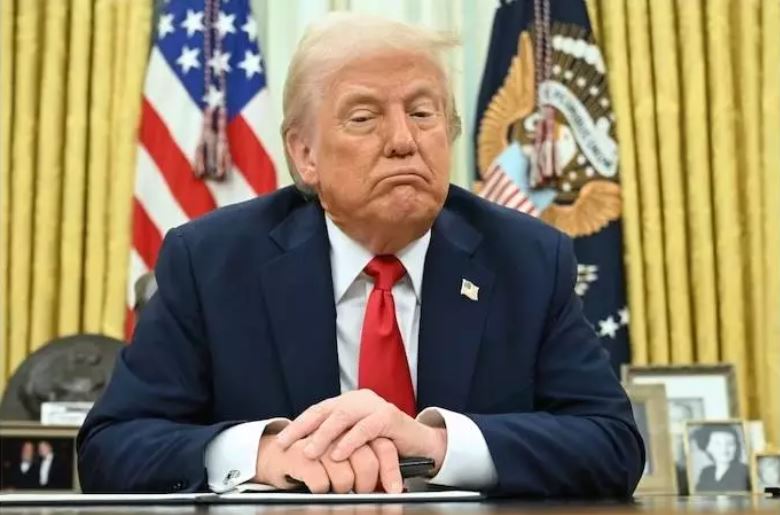
Even in the early days, this approach was consistent. It lasted until Donald Trump took office for his first term. Even when we realized that he would apply pressure on China and implement very tough policies, we still believed that we could make a deal with his administration. China invited Trump to visit Beijing during his first term, and during that visit, we offered him two very significant deals. One of them involved U.S. $250 billion. China purchased soybeans, processed them in our plants, and made other large-scale purchases.
At that time, China’s logic was simple: no matter what kind of policy you pursue toward China, your ultimate goal is to generate financial gain for your country. That was everyone’s understanding of Trump: he prioritized money. But when he implemented tariffs, it shocked the Chinese people. They thought, “What the hell? How dare he do such foolish things to us?” Nevertheless, during his first term, despite the tariff war, we still believed that our two countries would eventually return to dialogue and negotiation.
In that first round of the trade conflict, China took a defensive position. We didn’t want to strike back, at least not until the other side crossed certain red lines.
The second round came with the Biden administration. On China’s side, we believed that with a new U.S. president, everything would return to normal. We had high expectations for Joe Biden. But we ended up deeply frustrated. The Biden administration did not reverse Trump’s tariffs or policies; instead, it maintained them and added more, particularly in science and technology, initiating what they called a “scientific strategic competition” with China, and compiling an even longer list of restrictions than Trump had.
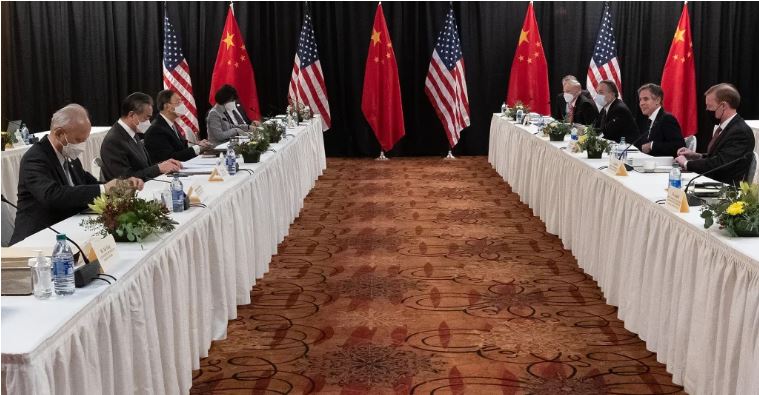
This experience provided a very important lesson. As Yang Jiechi said when Wang Yi met with Sullivan and Blinken, “We thought too well of the United States.” That statement was highly telling, meaning this was a wake-up call for those inside the decision-making cycle. It marked the moment China recognized the need to adjust its general policies and strategy.
So when Trump returned for his second term, our approach was clear: we are open to dialogue, but if you fight, we will respond. In the second term, our strategy was simple: dialogue and negotiation remain the bottom line. If the other side wants to fight, we will counter, but if they want dialogue, we will engage. Countermeasures remain until the other side acts first. This marks a fundamentally different negotiation style compared to the first term.
The only goals of China are to ensure our security, sovereignty, and development interests. We want to develop our economic interests and cultivate relationships with any country, including the United States—but with one fundamental precondition: equality of sovereignty and peaceful coexistence under the Five Principles of Peaceful Coexistence.
China has no interest in joining traditional geopolitical competitions with the United States. Chinese leaders have repeatedly stated that we do not seek to replace U.S. leadership in the world system or challenge its position. The only things China seeks are the reunification of Taiwan and continued economic development.