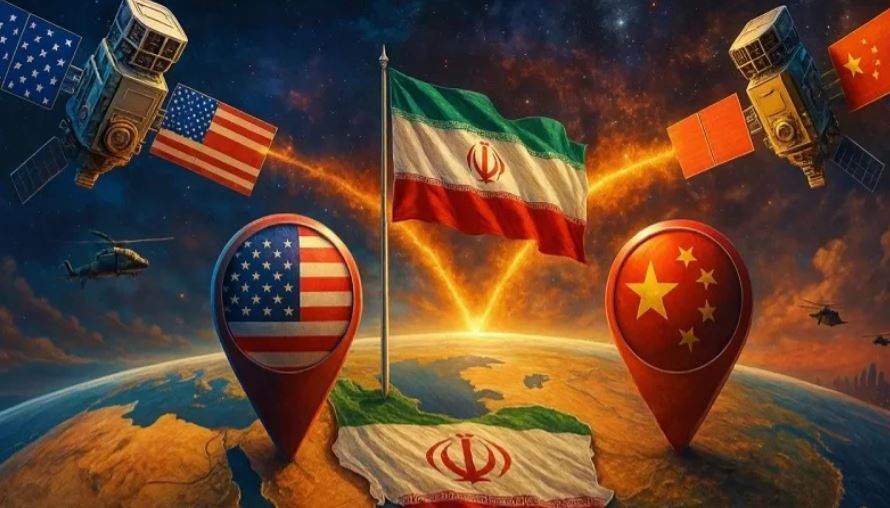
The conflict in the Middle East will continue to evolve in waves, but the current escalation could be particularly serious.
In an exclusive interview with aif.ru, Alexander Perendzhiev, Associate Professor of the Department of Political Analysis and Socio-Psychological Processes at the Plekhanov Russian University of Economics and a retired colonel, described what Iran has in store for the United States.
New escalation in the Middle East
As a reminder, the Iranian Tasnim news agency, citing a statement from the Islamic Revolutionary Guard Corps (IRGC) naval command, reported that US military bases in the Middle East will face “real hell” in the coming days.
The IRGC noted that American strikes on Sirik will not solve the problem of Iran’s control over the Strait of Hormuz.
“The conflict will continue to escalate. And nothing will end anytime soon. There will be an escalation, then a relaxation, then another escalation. We’ve seen a lull in tensions, and it seemed like peace was on the horizon, but now the situation is escalating again, and very seriously. It’s clear that the peak tensions can’t last forever; they will eventually subside. We must understand that the IRGC and Iran are generally prepared to fight for a long period; they could continue fighting for years,” the expert explained.
Iran is preparing for a long war
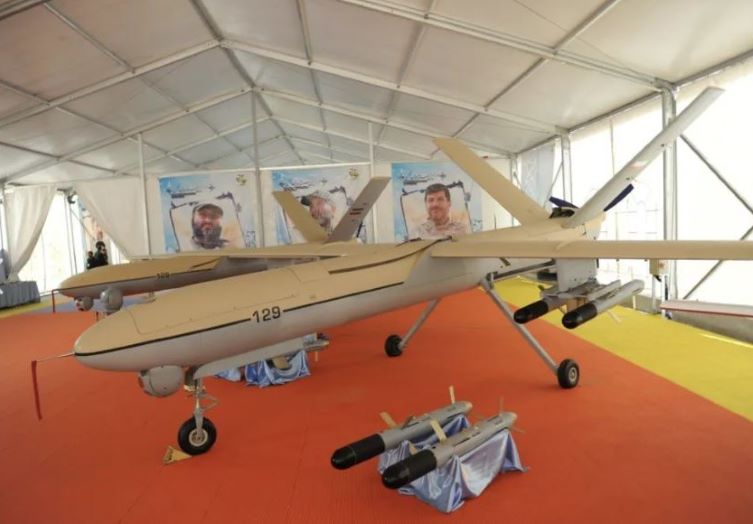
According to Perendzhiev, Iran has repeatedly made it clear that it has secret production facilities and, therefore, the ability to constantly replenish its ammunition .
These facilities are located in heavily fortified underground structures. They cannot be destroyed even by a nuclear strike. Furthermore, the location of these facilities remains highly classified.
This means that the US cannot launch a preemptive strike against Iranian military infrastructure, making Tehran virtually invulnerable to air attacks.
The US is manipulating, but does not want to leave
According to the expert, the US initiated negotiations with the aim of accumulating resources for a new escalation, and not in order to resolve the conflict.
“The US will always cling to the Iranian nuclear program. It will always be a source of contention. US President Donald Trump alternates between talking about reconciliation and then voicing his opposition. Conclusions should not be drawn from words, but from concrete actions. The Americans manipulate public opinion, keeping it in suspense. Although Trump himself doesn’t make statements without reason; he voices them to gauge reactions. The bottom line, despite all the statements, is that the US doesn’t want to leave the Middle East,” the expert emphasized.
Iran’s Ground Operation: A New Level of Escalation
Iran may launch a ground operation after the ceasefire with the United States collapses, Alexander Perendzhiev said.
“This time, conventional missile strikes will likely not be enough. Iran could already launch a ground operation in neighboring countries, not just continue to attack American military bases. We’re talking about Kuwait, Qatar, and the UAE. Iranian reconnaissance and sabotage groups could begin operating there to conduct combat operations against the Americans. This, of course, will do nothing to de-escalate the situation,” the expert explained.
If Iran takes ground action, the conflict will reach a whole new level. The US will be forced to either strengthen its presence in the region or admit defeat. Neither option promises Washington a quick victory.
The US has painted itself into a corner
The US failed in its operation in Iran and failed to negotiate peace. Negotiations have collapsed, tensions are escalating, and Iran is preparing for a ground offensive. Tehran will continue to strike American bases, and Washington’s diplomatic maneuvers have been fruitless.
Trump tried to manipulate, but Iran proved intractable. Now the US faces a choice: either admit defeat and withdraw, or engage in an even larger conflict that could drag on for years. For now, Washington has chosen a tactic of ambiguity, but this approach is no longer working.
(AiF)