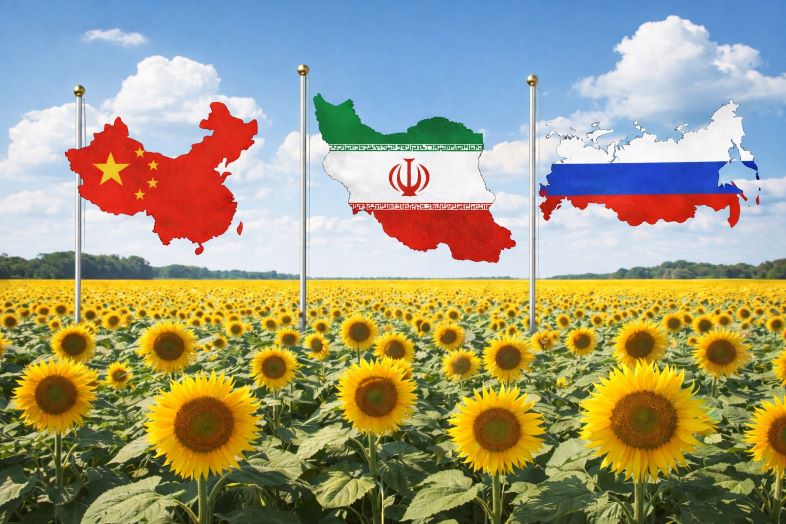
Iran, China and Russia have officially signed a comprehensive strategic pact, marking a decisive turning point in 21st-century international relations, according to the Middle East Monitor.
While the full text of the agreement is being released gradually by the three governments, state media in Tehran, Beijing and Moscow have confirmed the ceremony and described it as a cornerstone of a new multipolar order.
This pact comes amid decades of growing cooperation between these three states. Iran and Russia had previously concluded a 20-year Comprehensive Strategic Partnership Treaty (CSP) aimed at deepening their economic, political and defense ties, and mitigating the impact of Western sanctions – a treaty signed in January 2025 and which entered into force last year.
Meanwhile, Iran and China are bound by a 25-year cooperation agreement, initially signed in 2021, aimed at developing trade, infrastructure and energy integration.
Today’s signing is so different and noteworthy because it explicitly unites the three powers in a coordinated framework , aligning them on issues ranging from nuclear sovereignty and economic cooperation to military coordination and diplomatic strategy.
In Tehran, authorities described the pact as a joint commitment to ” mutual respect, sovereign independence and a rules-based international system that rejects unilateral coercion ,” echoing similar statements from Beijing and Moscow.
What the pact represents
This agreement is not a formal mutual defense treaty comparable to NATO’s Article 5, which obligates each country to provide military defense for the others. Previous pacts between Iran and Russia have consistently refrained from establishing a binding defense guarantee.
The pact unites three major powers within a broader geopolitical coalition , defined by a common opposition to Western military domination and economic coercion.
The agreement is essentially based on a unified position against the re-establishment of sanctions imposed on Iran because of its nuclear program, in accordance with the 2015 Joint Comprehensive Plan of Action (JCPOA).
Tehran, Beijing and Moscow issued joint statements rejecting European attempts to automatically reinstate sanctions and declared that the UN Security Council’s review of the nuclear agreement was closed.
This trilateral pact is therefore as much a diplomatic lever and a strategic discourse as it is a concrete defense or economic mechanism.
Immediate regional and global consequences
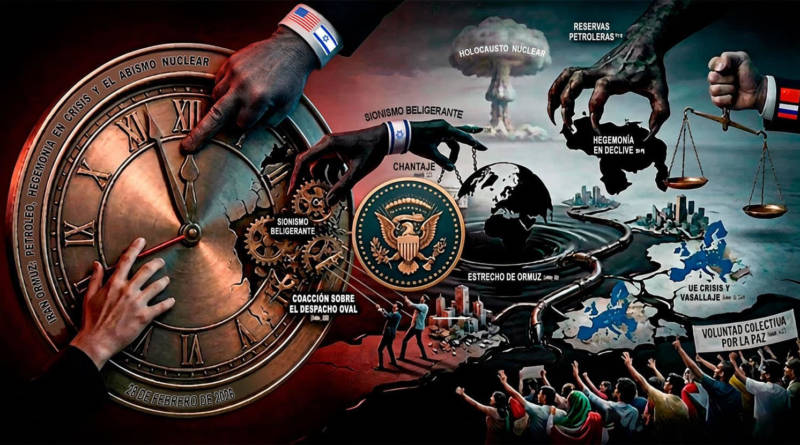
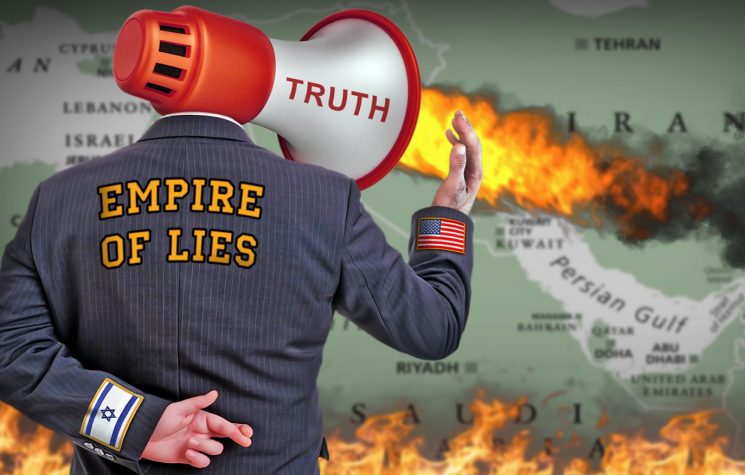
The signing of this pact coincides with rising tensions between the United States and Iran. President Donald Trump has reiterated his threats of military action against Iran in the absence of a negotiated agreement on its nuclear activities, even going so far as to deploy a US naval task force to the Middle East.
In this context, this strategic pact becomes a bulwark for Tehran and its partners against unilateral military pressure from the United States . By presenting a united front, the three governments aim to force Washington to negotiate from a position of constraint rather than dominance.
For the Middle East, the balance of power is being redrawn. Iran, long isolated by Western policies, now benefits from the protection of two permanent members of the UN Security Council: China and Russia.
This benefit will strengthen Tehran’s regional position in areas such as Iraq, Syria and the Persian Gulf , and will complicate conventional deterrence strategies implemented by the United States and its Gulf allies.
For Europe, this agreement undermines Brussels’ ambitions to maintain independent influence in Middle Eastern diplomacy. European powers have repeatedly attempted to revive certain elements of the JCPOA and threaten Tehran with punitive measures, but coordination between Iran, China, and Russia has thwarted these efforts, revealing Europe’s diplomatic limitations in a world less committed to Western consensus.
Economic repercussions
Economically, this agreement represents deeper integration between three of the world’s largest non-Western economies. Russia and China have already worked on investment protection agreements and bilateral trade agreements aimed at circumventing Western financial systems, such as SWIFT, which have been used as instruments of sanctions.
A trilateral pact could accelerate the creation of alternative financial mechanisms and trade routes, thereby reducing Western economic influence.
Iran, rich in energy resources, could benefit from expanded access to markets and investment. Furthermore, China is pursuing its Belt and Road Initiative, and Russia is seeking alternatives to European markets due to sanctions against Moscow. This alliance suggests the potential for increased trade and reduced vulnerability to the US dollar-centric financial system.
Military and strategic dynamics
This alliance, while informal, strengthens military cooperation between the three countries. China and Russia regularly conduct joint naval exercises in the Indian Ocean and the Persian Gulf – exercises in which Iran also participates, demonstrating interoperability and shared security interests.
Read also : Iran plans joint naval exercises with China and Russia in the northern Indian Ocean
Strategically, this pact should lead to more coordinated defence planning and intelligence sharing, even if it is not a binding treaty imposing military intervention.
For the United States and its NATO partners, the stakes are rising in many regions: any escalation with Iran now risks triggering broader strategic responses involving Beijing and Moscow, thus increasing the risk of conflict and reducing the effectiveness of unilateral threats.
Long-term global impact
In the long term, this pact accelerates the multipolar restructuring of international relations, according to some observers . For many years, the United States and its allies have dominated the architecture of global governance, from trade regimes to security pacts.
A structured alignment of Iran, China and Russia represents an alternative axis that challenges Western hegemony not through ideological competition, but through pragmatic balances of power.
Observers are now wondering whether this pact will evolve into a more comprehensive defense agreement or remain a diplomatic and strategic framework. The center of gravity of global power is now shifting, not toward a simple ” East versus West ” dichotomy, but toward a more complex, multipolar world order where diplomatic influence, economic resilience, and the demonstration of military strength converge in unprecedented and unpredictable ways.