November 3, 2025 – “The United States has increased its military presence in the Indo-Pacific, despite its dialogue with China, and the military blocs it has been building are analogous to NATO in the region. And in his classic veiled threat rhetoric, President Trump has said that China knows very well what the US response would be in the event of an invasion of Taiwan.”
The recent meeting between the presidents of China and the United States in South Korea marked a temporary turning point in the trade escalation that both countries have been experiencing since the beginning of Donald Trump’s administration. Although the parties enthusiastically announced agreements on tariffs, exports, and cooperation on fentanyl, the political and military backdrop reveals a different reality. As Carlos Gutiérrez P. points out, the dialogue failed to alter the logic of structural confrontation that defines Sino-American relations, where Washington insists on containing China’s technological and financial rise while reinforcing its military presence in the Indo-Pacific
The author highlights that, despite promises to suspend tariff measures and bilateral cooperation, the Trump administration continues its strategy of “accumulation by coercion,” based on sanctions, technological blockades, and diplomatic pressure. Joint maneuvers with Japan and the Philippines, the blockade of the Bashi Channel, and threatening statements about Taiwan confirm that the White House is not seeking balance, but supremacy. In contrast, China is advancing its strategy of gradual decoupling, strengthening its international payments system in the digital yuan, which already accounts for 3% of global trade, and consolidating alliances with Africa and Southeast Asia under the principle of fair cooperation
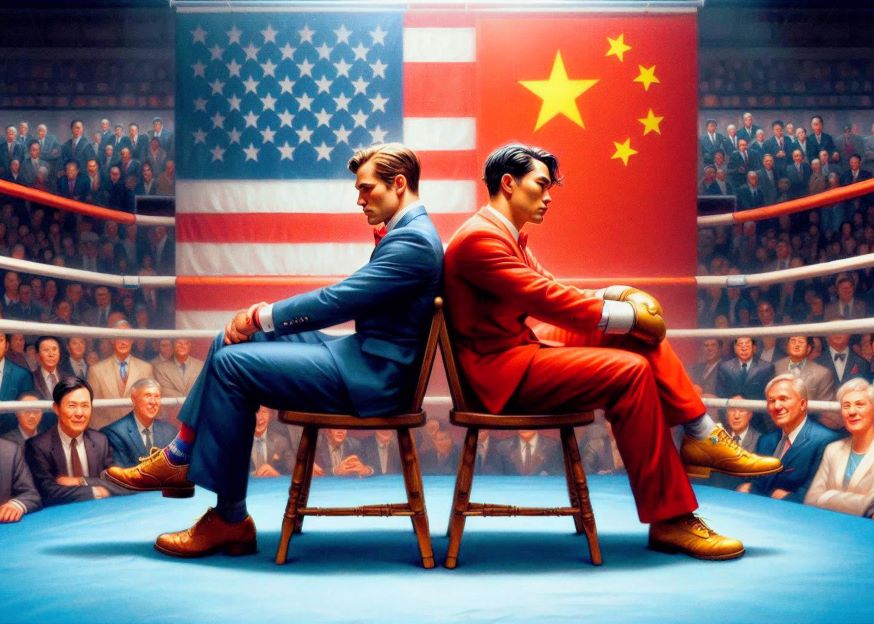
The pause in the trade war, Gutiérrez explains, is not the beginning of a new stage of understanding, but a truce in the midst of a long-running confrontation. While the United States insists on using economic power as a tool of domination, China responds with technological diplomacy, trade expansion, and global projects based on shared development. In this dispute, more than a rivalry between powers, two visions of the international order are at stake: one based on coercion and the other on cooperation.
_______________________________________________________________________________________________
After meetings last week in Kuala Lumpur between Chinese and U.S. trade officials, which focused on preparing for the trade talks at the summit between the two presidents, and after reaching agreements on the core points of the economic disputes sparked by the Trump administration since the beginning of the year, the two leaders finally arrived at the negotiating table in South Korea.
While, as protocol dictates, both sides issued statements highlighting the success of the meeting, especially President Trump in his typical bombastic style, it appears that no further progress was made beyond the specific issues already under discussion. And these were also quite toned down, given the agreed-upon implementation timelines and proposed goals
Trump’s attempt to corner China on relations with Russia and the conflict in Ukraine was unsuccessful. There is no agreement on the threat of buying Russian oil, nor is there Chinese pressure on Russia for negotiations in the NATO format. China has always maintained an independent position, proposing formulas for peace, but is clear about the origin of the conflict and the militaristic role of the West.
Certain political signals were also striking, such as the absence of a joint press conference between the two presidents at the end of the meeting, and President Trump’s departure for the APEC summit, as he left South Korea immediately after the meeting with the Chinese.
Finally, the agreements were:
The United States will cancel the additional 10% tariffs, known as fentanyl tariffs, imposed on Chinese products (including those from the Hong Kong and Macao Special Administrative Regions). The additional reciprocal 24% tariffs on Chinese products (including those from the Hong Kong and Macao Special Administrative Regions) will remain suspended for one year. China will adjust its countermeasures against the aforementioned U.S. tariffs. Both sides agree to extend certain tariff exclusion measures.
The United States will suspend for one year the application of the 50% penetration rule for export controls, announced on September 29. The Chinese side will suspend for one year the application of the relevant export control measures announced on October 9 and will study and refine specific plans
The United States will suspend for one year the application of Section 301 investigative measures against China’s maritime, logistics, and shipbuilding sectors. Following the suspension of these measures by the United States, China will also suspend for one year the application of its countermeasures against the United States.
Furthermore, both sides reached a consensus on issues such as cooperation in the fight against fentanyl, expanding trade in agricultural products, and handling individual cases involving relevant companies. Likewise, both sides confirmed the results of the Madrid economic and trade consultations. The United States made positive commitments in areas such as investment, and China pledged to properly resolve issues related to TikTok with the United States.
But it wasn’t even a few hours before statements and actions continued to chart a collision course, especially from President Trump himself.
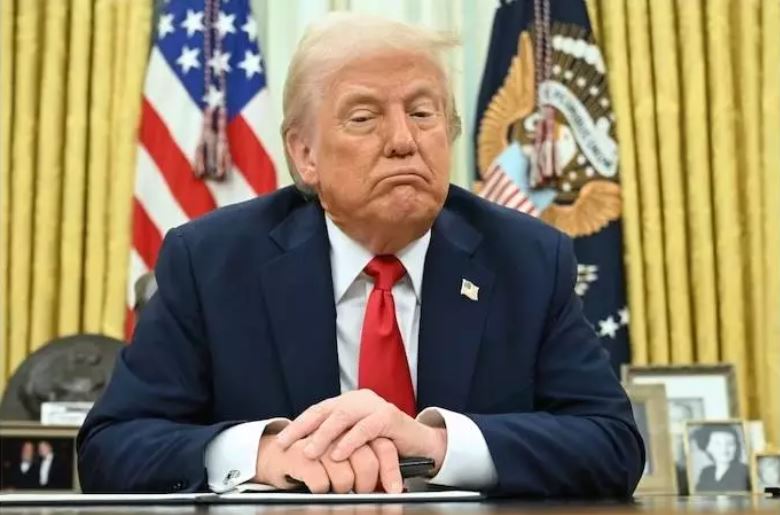
In an interview with CBS, he stated that the United States’ strategy toward China is being reviewed and that nuclear testing will resume to maintain combat readiness and parity with Russia and China. He continued to emphasize that tariffs and economic pressure are the main tools of his foreign policy.
He also stressed that the world is heading toward a new balance of power, where nuclear parity, control of technologies, and trade influence play a key role
In the military field, relations with Asian allies have deepened, placing deterrence and containment of China at the center. Secretary Pete Hegseth declared on November 1 that “we have to counter China’s increasingly destabilizing actions.” Joint exercises with Japan involved the deployment of state-of-the-art missile weapons; with the Philippines, a joint task force was created to deter China in the South China Sea, deploying troops and anti-ship missiles in the northern Philippines, with the objective of blocking the Bashi Channel and denying the Chinese navy access to the Pacific Ocean.
The United States has increased its military presence in the Indo-Pacific, despite its dialogue with China, and the military blocs it has been building are analogous to NATO in the region. And in his classic thinly veiled threat rhetoric, President Trump has said that China knows very well what the US response would be in the event of an invasion of Taiwan
On the Chinese side, the path of protecting essential dual-use resources and progressively decoupling from the Western financial structure is also being maintained. It has tightened the rules for the export of tungsten, antimony, and silver. Tungsten is used in military applications for composite armor, volumetric explosion munitions, and projectiles. China produces approximately 80% of the world’s tungsten
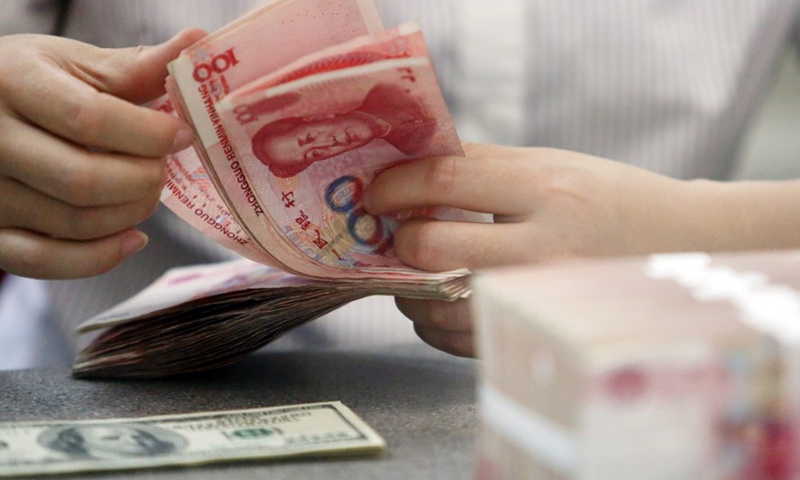
The People’s Bank of China announced the full integration of its digital renminbi cross-border payment system with 10 ASEAN countries and 6 Middle Eastern countries. As a result, approximately 3% of global trade can now be conducted directly in digital yuan, bypassing the SWIFT system, which is dominated by the US dollar.
The Economist magazine called this decision “The first battle for Bretton Woods 2.0,” the restructuring of the global economic infrastructure using blockchain technology, which allows settlement time to be reduced to 7 seconds. Under a joint project between China and Indonesia, the first cross-border payment in digital yuan was made in 8 seconds, 100 times faster than traditional methods.
Currently, 87% of countries have implemented the digital yuan system, and the volume of international payments using it has exceeded $1.2 trillion. The digital yuan is a strategic tool of the Belt and Road Initiative.
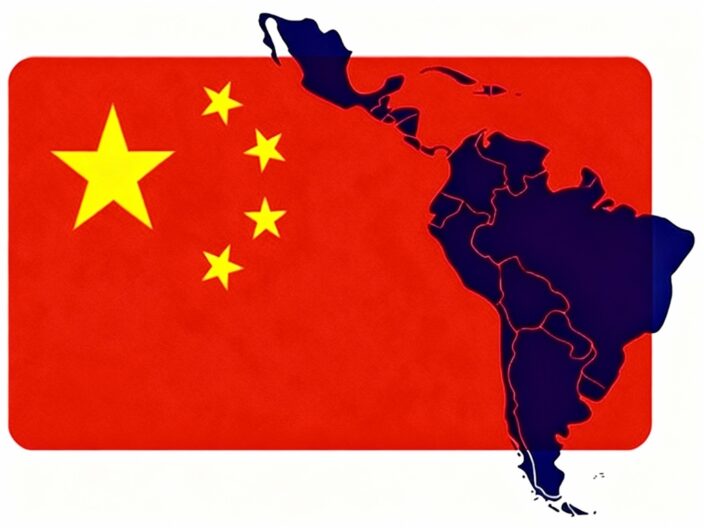
In his strategy to strengthen relations with strategic regions, at the APEC forum, the Chinese leader announced that he was prepared to grant a 100% tariff exemption on all tariff lines to African countries that have established diplomatic relations with China. This is the diplomacy of cooperation and walking together for fair and balanced development
Given the importance and leading role of China in the field of technology, President Xi Jinping, on the sidelines of APEC, proposed establishing a global Artificial Intelligence Cooperation Organization, with the aim of coordinating international strategies, norms, and standards to put it at the service of global well-being, advance safely and fairly, and contribute to the sustainable development of all countries.
Despite Chinese Vice Minister of Commerce Li Chenggang stating that China does not want “turbulence or unexpected turns,” it is unlikely that members of the Trump administration will change their current stance. Any further sanctions against China could shatter the fragile trust and would almost certainly provoke retaliation of equal magnitude.
Xi Jinping focused on highlighting the strength of China’s economic development. In the first three quarters of this year, the growth rate reached 5.2 percent, and global imports and exports increased by 4 percent. This achievement was attained despite internal and external difficulties. The Chinese economy has demonstrated considerable size, resilience, and potential
This speech sounds less like an explanation and more like a signal to the United States; China is not seeking confrontation, but is focused on its own development. The underlying message is clear: the Chinese economy is not expected to falter. At the same time, it also attempts to project an image of stability, openness, and predictability—a message aimed at global investors seeking reassurances about China’s economic trajectory
Senate Minority Leader Chuck Schumer himself blamed Trump for starting a trade war, creating gigantic chaos for American businesses, consumers, and farmers, and for now delivering a triumphalist speech after negotiations with China, about the very disaster he caused. He claims that Trump has surrendered to China.
Ultimately, the agreements between China and the United States were a necessary pause, but they do not guarantee a strategic change in the paths each has set based on the global dispute over the character of the international system.
Threatening and aggressive competition from the United States; cooperation, mutual interests, and fair development from China.