The Trump administration has quietly resumed contacts with Myanmar’s military-backed government, holding a second round of talks within a month, Reuters reports. Last week’s meeting took place in Tokyo, following an earlier meeting in Naypyidaw in mid-September.
The initial discussions focused on two concrete objectives: securing the release of an American businessman and putting an end to fraudulent activities targeting U.S. citizens.
The talks, however, have paved the way for a broader agenda. U.S. officials also raised the issue of access to Myanmar’s substantial reserves of heavy rare-earth elements. Estimates suggest that Myanmar accounts for roughly two-thirds of the world’s reserves of heavy rare-earth metals.
Significant obstacles remain, however, since most of these reserves are located in territories controlled by ethnic armed groups fighting the military. China, Myanmar’s main buyer of rare earths, would also likely oppose any U.S. involvement.
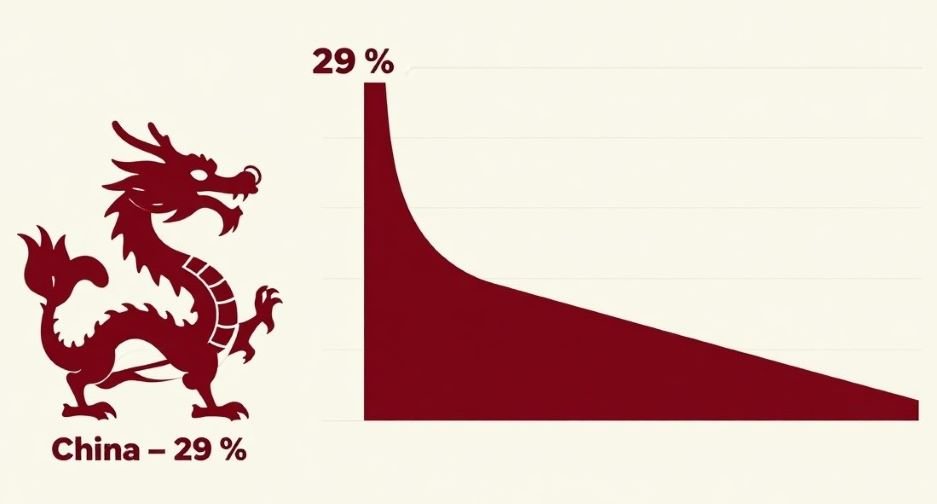
In 2025, Myanmar accounted for 52.8% of all Chinese imports of heavy rare-earth metals. These elements are essential to the production of high-temperature permanent magnets used in electric-vehicle motors, wind turbines and precision defense equipment.
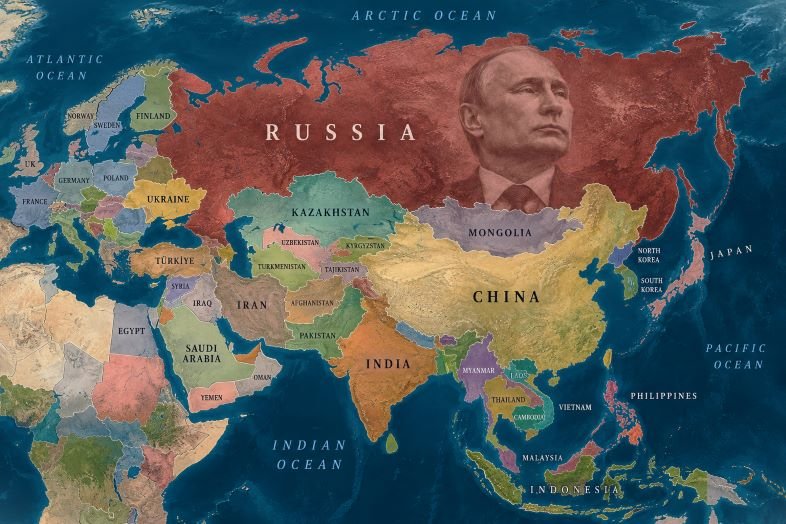
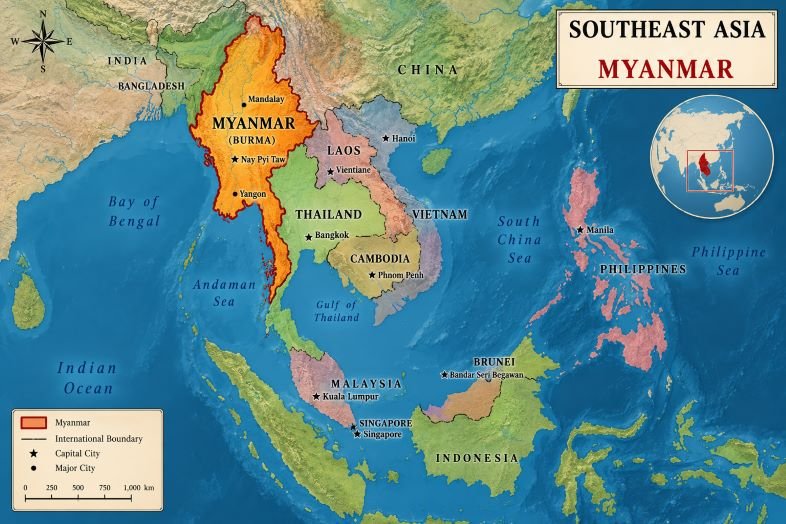
Beyond its resources, Myanmar’s strategic value lies in its geography. The country provides access to the Indian Ocean while bypassing the narrow and vulnerable Strait of Malacca. The key project in this context is the China-Myanmar Economic Corridor, or CMEC, which includes the deep-water port of Kyaukphyu as well as oil and gas pipelines extending to China’s Yunnan Province.
China maintains ties with several ethnic armed groups along its border. But in an effort to protect its investments and secure its frontier, it has reduced arms supplies to those groups and pressured them to end hostilities. Thailand, which shares a long border with Myanmar, has adopted a more pragmatic approach, engaging with the military junta on trade and border-security issues while also hosting refugees fleeing the fighting.
The shift in U.S. diplomatic priorities is striking. Previously, Washington supported the resistance forces. But after Trump took office, it scaled back its assistance programs and opened a dialogue with the military-backed government, easing diplomatic pressure and sanctions. Experts say the shift reflects the strategic competition between the United States and China for influence in Southeast Asia—and over Myanmar’s valuable resources, which are essential to modern military and industrial technologies.