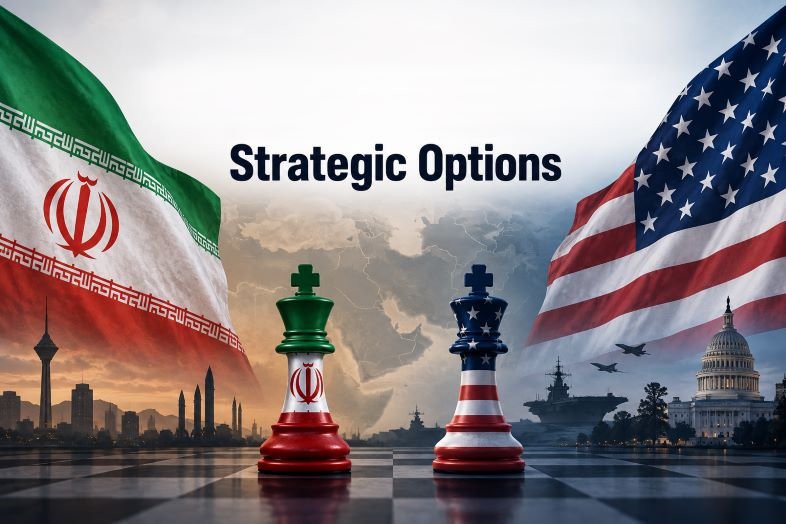
This is not a simple disagreement of criteria in foreign policy, but a head-on clash between a leader who, faced with the inability to subdue Tehran through conventional means, is willing to cross the line of nuclear holocaust, and a military apparatus that has decided to act as a containment body to avoid mutually assured destruction.
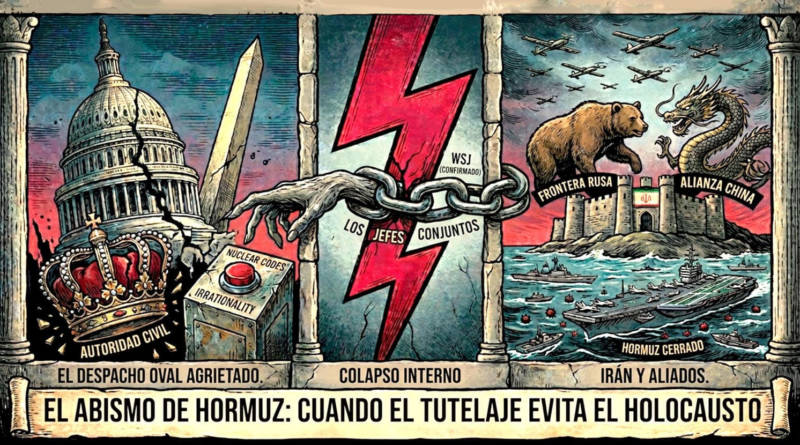
The recent and explosive revelation by former CIA analyst Larry Johnson on Judge Andrew Napolitano’s program should not be read as a mere hallway anecdote, but as the most alarming symptom of a terminal state crisis. By denouncing that General Dan Caine, Chairman of the Joint Chiefs of Staff, had to physically intervene to stop an attempt to activate the nuclear codes against Iran after an emergency meeting last Saturday, Johnson has given a name to the panic: Donald Trump’s impulsive irrationality in the face of strategic setbacks in the Persian Gulf. This is not simply a disagreement on foreign policy, but a head-on collision between a leader who, unable to subdue Tehran through conventional means, is willing to cross the line into nuclear holocaust, and a military apparatus that has decided to act as a buffer to prevent mutually assured destruction.
This atmosphere of lawlessness at the pinnacle of political power finds a disturbing echo in the leaks to the Wall Street Journal. The newspaper, historically a bastion of the system’s stability, has confirmed that the Pentagon has established a kind of “cordon sanitaire” around the Oval Office. What the Journal describes is not administrative management, but an emergency measure: the isolation of the Commander-in-Chief from the Crisis Room during critical hours, while military commanders operated behind his back, ignoring his outbursts to prevent his shouts and demands for immediate punishment from translating into catastrophic tactical orders. When the military is forced to oversee civilian command to preserve the very existence of the state, American liberal democracy has ceased to be a functional structure and has become a dangerous interregnum where real power no longer emanates from the ballot box, but from the ability of generals to disobey a presidential will unhinged by failure.
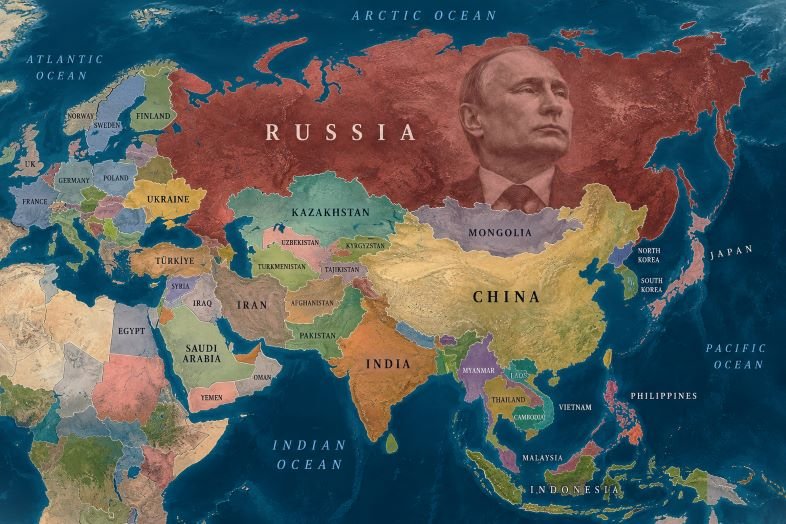
This institutional paralysis is occurring while the international stage is shifting under the logic of a “final solution,” which the diplomatic rhetoric of the Islamabad talks attempts to conceal. Russia’s National Security Council has been unequivocal in denouncing these dialogues as a mirage, a smokescreen designed to buy the logistical time required for the large-scale invasion being prepared by the United States and Israel. The material facts are irrefutable: the massive accumulation of military equipment and the presence of aircraft carriers like the USS George H.W. Bush are not part of a deterrence strategy, but rather a final phase of deployment. However, this administration’s miscalculation lies in ignoring that Iran, backed by its strategic depth with Russia and its vital alliance with China, will not accept capitulation.
In this historical juncture, where hegemony refuses to acknowledge its decline and civilian leadership succumbs to irrationality in the face of Iranian resistance, the world hangs by a thread: the one that separates the outburst of rage in the Oval Office from the hand of a general who, for now, refuses to execute the end of history.